This past year, wearables moved beyond isolated metrics into a more sophisticated era where stress, environment, biomarkers and continuous coaching converged into a clearer, more continuous picture of health
Industry reports estimate that the wearables market will climb from roughly $52 billion in 2024 to nearly $190 billion by 2032, driven by demand for hyper-personalized health insights and efforts to integrate trackers into healthcare and corporate wellness. That growth has pushed leading brands to behave less like device companies and more like health platforms.
Brands like Oura, Ultrahuman, Whoop, Apple and Garmin spent 2025 turning rings, watches and sensors into broader systems built around stress, sleep, biomarkers and AI guidance. Hardware updates still mattered, but most of the action happened in software, partnerships and how data is being used in real-world settings.
Stress, Recovery & Biomarkers
Stress and recovery became the organizing logic for several flagship products.
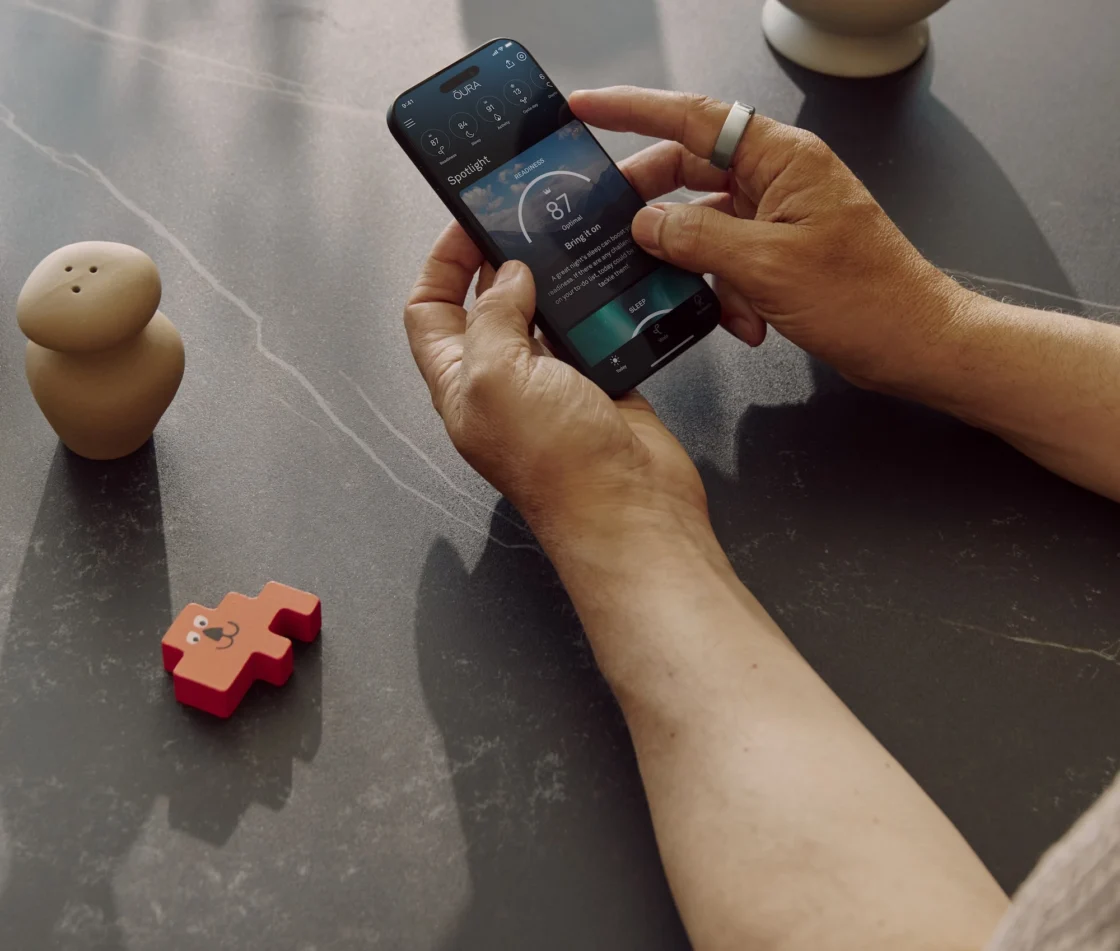
Oura introduced Cumulative Stress, a long-term biomarker that blends heart response, sleep continuity, temperature variation and movement to show how the body accumulates and clears stress over roughly a month instead of a single day. The feature sits alongside an investigational blood pressure profile and redesigned app layouts that connect sleep, load and daily behavior into one preventive view.
Whoop leaned into the same theme from a longevity angle. Healthspan, its pace of aging metric, lives next to the familiar strain and recovery scores and ties everyday training and sleep decisions to longer-term health trajectories. Advanced Labs, built with Quest Diagnostics, lets members order curated blood panels covering roughly 60 biomarkers and see those results inside the app, mapped against months of strain, recovery and sleep data.
“This isn’t just a product launch. It’s a new chapter for Whoop and for our members,” Whoop founder and CEO Will Ahmed said of the platform. “We’ve taken everything we’ve learned over the past decade and built a platform to help our members perform and live at their peak for longer. We’ve held nothing back.”
Ultrahuman’s Blood Vision platform follows a similar pattern. The feature links metabolic and hormonal panels to data from the Ring Air and other devices, then uses AI to interpret how changes in biomarkers relate to sleep, HRV and metabolic patterns.
Across companies, stress metrics and lab work are being combined into a shared, longitudinal picture of health rather than separate streams.
Sleep, Environment & Women’s Health
Ultrahuman also pushed the category forward by treating the bedroom as part of the sleep problem. A major update to Ultrahuman Home turned the in-room monitor into a more sophisticated ambient sleep device, using dual microphones and AI to detect snoring, coughing and other respiratory disruptions while tracking temperature, humidity, CO2 and noise. Those signals feed an upgraded Respiratory Health Score and a more detailed view of when the room itself is undermining recovery.
On the women’s health side, Ultrahuman’s acquisition of viO HealthTech led to Cycle & Ovulation Pro, a Ring Air subscription upgrade that adapts OvuSense algorithms to confirm ovulation with over 90 percent accuracy, including for users with irregular cycles.
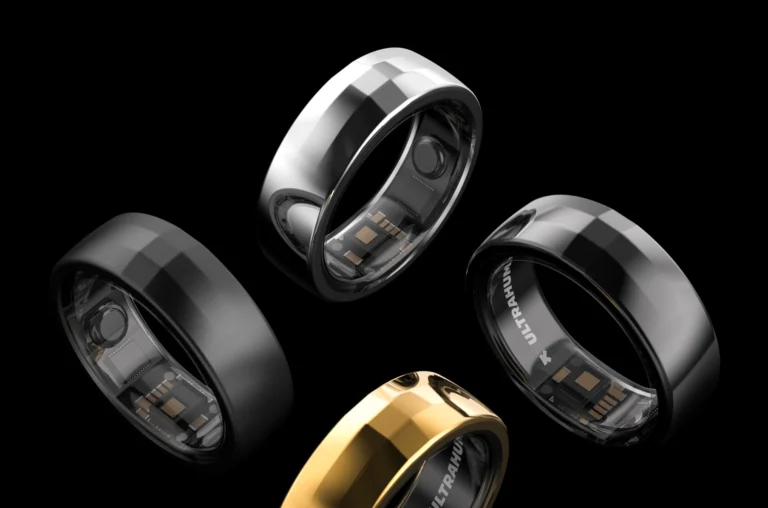
“For the first time, best-in-class hardware, software and algorithms with a clinical background come together in one wellness device,” Ultrahuman CEO Mohit Kumar said of the viO acquisition. “Our mission is to give women cutting-edge tools to optimize their health, combining clinical technology with comfort and style to deliver the most accurate women’s health tool available.”
A partnership with Clue ties ring-derived biomarker data to advanced cycle insights, giving users a more complete picture of hormonal status and recovery across the month.
Oura’s preventive features are moving in a similar direction. Cumulative Stress, ongoing blood pressure research and women’s health-focused partnerships position the ring less as a generic sleep tracker and more as a tool for long-term preventive and reproductive health.
AI Coaching & Platform Strategy
AI moved from a supporting feature to a central part of the user experience for Apple and Garmin.
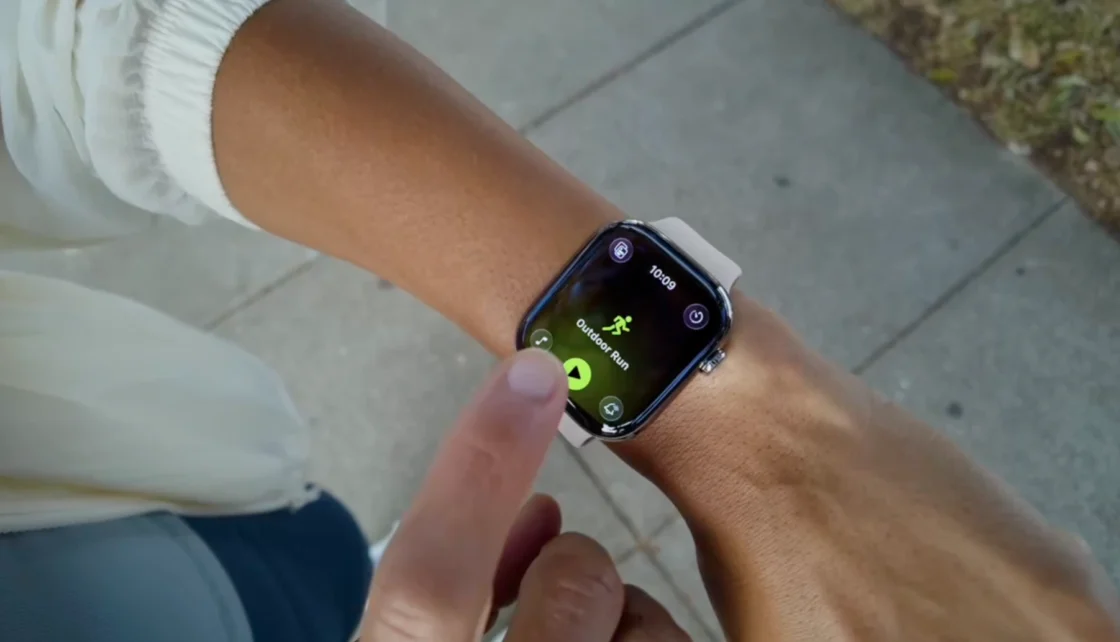
Apple’s Workout Buddy uses Apple Intelligence to combine historical workouts with live data and deliver in-ear coaching mid-session instead of waiting for a post-workout summary. Heart rate sensing in the latest AirPods Pro adds another sensor surface beyond the wrist, while Apple Fitness+ is in the middle of its largest global expansion yet, adding 28 new markets with localized dubbing and strengthening Apple’s subscription-led fitness ecosystem.
“Our users have invested so much sweat equity in our fitness ecosystem,” Julz Arney, Apple’s senior director of fitness technologies and Fitness+, told Athletech News. “So with Workout Buddy, the ability to take the workout you’re in and then quickly analyze all that sweat equity that we have in the ecosystem and then pull out the inspiring moments so that when you’ve just made that very important decision in your day to start a workout, Workout Buddy is there to tell you not only was that a great choice, but ‘this is your third workout this week,’ or ‘you’ve already closed your activity rings for the last three days in a row.’”
Garmin, the performance-focused rival to Apple, also leaned into software.
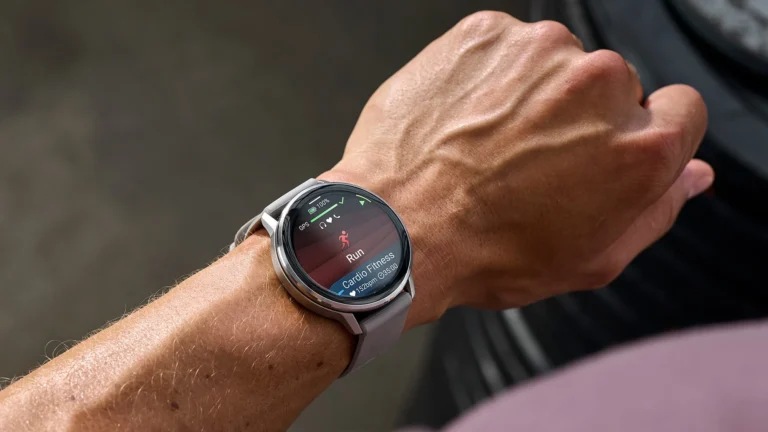
The Venu 4 introduced Health Status and sleep alignment views that track several weeks of resting heart rate, HRV, respiration and sleep stages to flag when metrics drift from baseline. Garmin Connect+, a new paid tier, layers AI health features and deeper analytics on top of the free tracking stack, signaling that even historically hardware-driven brands see subscription software as a key growth driver.
Fitness Classes & Studio Experiences
One of the clearest 2025 trends was how wearables began to shape what happens inside classes and studios. Whoop’s partnership with Solidcore created a custom activity profile for reformer-based strength sessions so the platform can more accurately capture the strain and recovery impact of the brand’s signature classes.
Oura’s work with CorePower Yoga reflects a similar shift. The studio uses ring data on sleep, stress and recovery to power personalized class recommendations, aligning workout intensity with how prepared a user’s body is on a given day.
In both cases, data that once lived in a wearable dashboard is now influencing session selection, programming and member experience in real time.
Clinical, Digital & Enterprise Partnerships
Wearables also moved further into clinical and enterprise contexts. Maven Clinic is integrating Oura biometrics into virtual women’s health care, using ring data to support journeys from fertility through postpartum recovery. Whoop’s Advanced Labs integration with Quest and its role inside SHA Wellness’ Leader’s Performance Program show how the platform is being used as a bridge between consumer behavior and physician-guided performance and longevity plans.
Guests at SHA’s locations in Spain and Mexico receive a Whoop device, app membership and structured interpretation as part of their stay, with strain, sleep and recovery metrics informing daily schedules and treatment choices.
On the enterprise side, Garmin Health is feeding readiness, sleep and HRV into gym and operator platforms so facilities can design challenges and programs informed by how members are actually recovering.
Oura’s move to bring manufacturing to Texas and support work with U.S. defense and readiness partners points to larger institutional deployments in addition to its direct-to-consumer base. Ultrahuman, meanwhile, is knitting together its smart ring, ambient home monitor, blood testing service and women’s health features into a single preventive health stack that can plug into other analytics partners like InsideTracker.
Looking Ahead To 2026
As 2025 closes, the category looks different from even a few years ago. Leading players are building an always-on health infrastructure that links sensors, software, labs and third-party services into continuous feedback loops.
The key questions for 2026 center on how these systems are governed, validated and priced, and on where regulators draw the line between wellness tools and medical devices. At the same time, operators, employers and clinicians will have to decide how much weight to give consumer-grade data as it seeps deeper into decisions about training, recovery and care.
A version of this article originally appeared in ATN’s “Health Tech Revolution” report, which examines how artificial intelligence, diagnostics, wearables and clinical partnerships are reshaping the business of fitness, wellness and preventive care. Download the free report.