
Apps like Future and Caliber are reserving real human fitness coaches for those willing to pay a premium, while free plans feature artificial intelligence
Future built its name on the idea that everyone deserves a great coach. Now it’s testing just how much that’s worth.
The virtual personal training app, which merged with Tom Brady’s fan and athlete engagement company Autograph last year, is splitting into two products.
Future, a new app currently in beta, pairs users with an AI-powered training engine that it says is built on real coaching data and millions of workouts. Users can also select from various coaching voice personalities.
“This is truly personalized fitness,” Future wrote on a blog post announcing the new offering. “And now, it’s free and available for everyone.”
Future has opened a waitlist for early access.
Future Pro, the existing app, keeps the human element intact with a dedicated personal trainer, ongoing communication and an evolving program. The program runs $199 a month after a $50 introductory first month.
The company noted on social media that current members can remain on the Future Pro app, while the new Future app will launch separately.
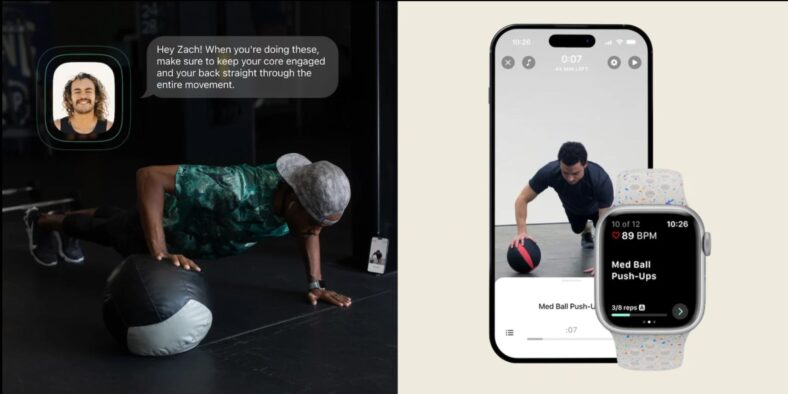
Caliber, a fitness training app, operates on a somewhat similar model. Its free version gives users access to workout logging, an exercise library and self-guided training plans. Those who want a dedicated human trainer can upgrade to one-on-one coaching for around $200 a month.
For now, the data backs up what the pricing model in apps like Future and Caliber implies: people prefer human coaching.
According to Les Mills’ 2026 Global Fitness Report, which surveyed more than 10,000 people across five continents, just 10% of consumers globally prefer AI workout guidance over a human coach. Even Gen Z and Millennials, the most tech-native adult demographic groups, are among the most resistant, with only 11% of 16-27-year-olds favoring AI-generated coaching.
On the personal trainer side, the picture is equally telling: A recent ISSA report found that roughly 64% of fitness professionals believe AI will actually increase the value of being a certified trainer over the next five years, rather than erode it.
And there’s plenty of runway to grow. The global fitness app market, valued at $10.6 billion in 2024, is projected to climb to $33.6 billion by 2033, driven largely by AI personalization and wearable integration, according to data from ResearchAndMarkets.com.