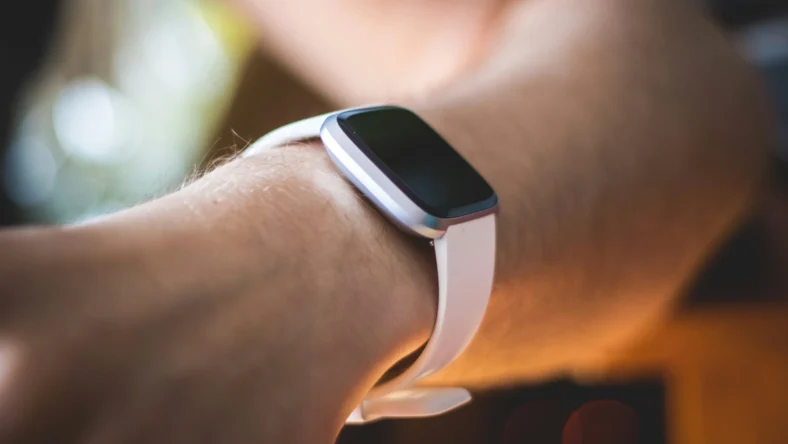
A study reveals the untapped potential of wrist-worn devices like the Fitbit or Apple Watch, whose sleep and activity data could predict depression relapse before symptoms arise
A new study has just uncovered a novel use for wearable devices in mental health treatment: proactively treating major depressive relapses before they occur.
Researchers from McMaster University in Canada discovered that sleep disruptions and shifts in daily activity routine — as reflected in wrist-worn wearable data — could indicate when a person has an increased risk of relapsing into major depression.
Roughly 60% of people with major depressive disorder (MDD) relapse within five years, even while undergoing treatment. The findings could uncover a new critical use for wearable devices for mental health care, presenting a passive method of monitoring relapse risk between clinical appointments for those with MDD.
“Advances in digital technology and AI algorithms have a great potential for relapse prevention in mental health,” said psychiatry and behavioral sciences professor at McMaster, Benicio Frey.
“While it has been long recognized that abnormal sleep and activity patterns are associated with greater risk of depression relapse, the ability to passively detect these abnormal patterns using smart sensors opens an exciting new window of opportunity for personalizing the care of conditions that may reoccur, like depression,” he explained.
The study, published in JAMA Psychiatry, followed 93 Canadian adults who had previously recovered from depression. Each wore a research-grade device that resembled a Fitbit or Apple Watch for one to two years, providing the researchers with over 32,000 days of sleep and activity data across the participant pool.
Their key findings:
- Participants with more irregular sleep data had nearly double the risk of depression relapse.
- The strongest predictor of relapse was whether a person’s body detected less difference between daytime activity and nighttime rest.
- The amount of time spent awake during the night after already falling asleep predicted increased risk of depression relapse.
- Erratic sleep schedules were often observed before a relapse took place.
The authors suggest this data reflects the untapped potential of wearable tech for people recovering from MDD. While current monitoring practices rely heavily on observing symptoms, those usually appear later than what can be detected through a wearable device, according to their findings.
If wearable companies developed alerts around depression indicators, that may help clinicians focus their care on those potentially most at risk, improving patient outcomes and reducing the impact of relapse episodes.
“Imagine a future where a smartwatch can warn people with depression: ‘A new episode of depression is very likely coming within the next four weeks. How about seeing your health-care provider?’” Frey added.
The study comes as the wearables market is booming: U.S. retail sales of fitness-tracking wearables were up 88% in 2025 compared to 2024, according to data from Circana, with smart rings leading the market.