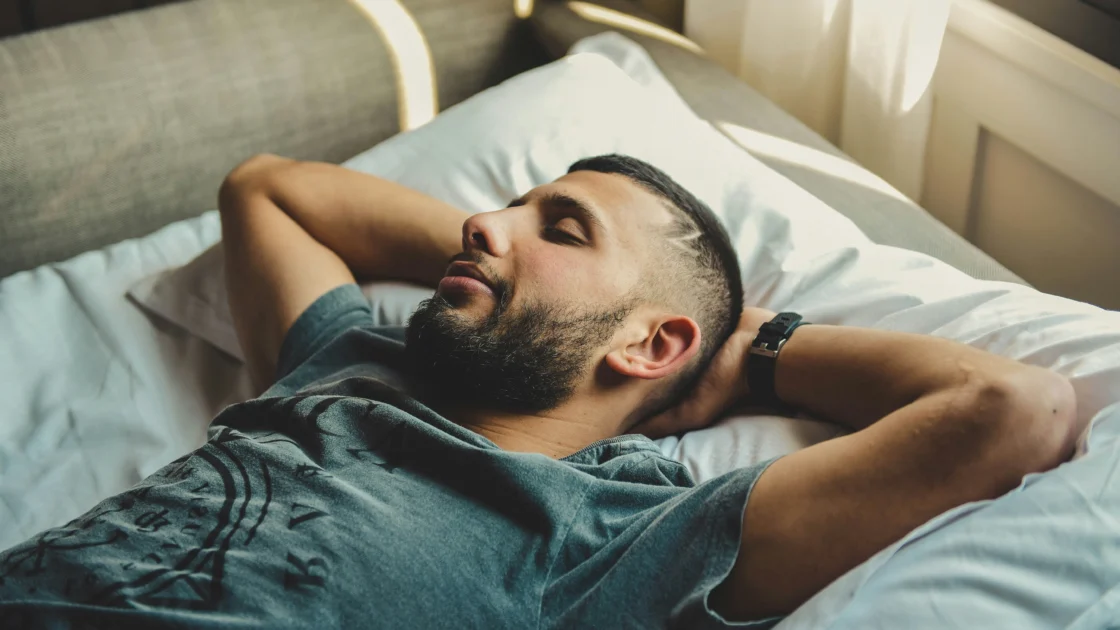
In a new study, getting less than seven hours of sleep per night showed a significant negative correlation with life expectancy, even after accounting for other health and socioeconomic factors
Americans may have long treated sleep like a negotiable, yet new research from Oregon Health & Science University (OHSU) suggests those short snooze sessions might be costing us something far more valuable than productivity.
In fact, the new data suggests chronic sleep loss may be taking a measurable toll on life expectancy.
The study, published this week in Sleep Advances, dug into CDC Behavioral Risk Factor Surveillance System surveys from 2019 to 2025 to see how lack of sleep stacks up against the usual drivers of long-term health. Researchers controlled for smoking, diet and inactivity to zero in on sleep’s true impact.
For the CDC, “sufficient sleep” means at least seven hours a night, a standard echoed by leading sleep groups.
The data told a clearer story than expected. Across most states and every year analyzed, insufficient sleep showed a significant negative correlation with life expectancy, even after the models accounted for other health behaviors. Only smoking had a stronger association with a shorter lifespan.
The authors, primarily graduate students in the Sleep, Chronobiology and Health Laboratory of the OHSU School of Nursing, noted that the pattern persisted regardless of income or access to care, pointing to adequate sleep as a meaningful public health factor in every community.
Notably, Andrew McHill, an OHSU sleep physiologist and the study’s senior author, told OHSU News that even he was surprised by the study’s findings.
“I’m a sleep physiologist who understands the health benefits of sleep, but the strength of the association between sleep sufficiency and life expectancy was remarkable to me,” he said.
Although the analysis didn’t explore why inadequate sleep appears to shorten life expectancy, McHill told OHSU News that sleep influences cardiovascular health, the immune system and brain function.
“This research shows that we need to prioritize sleep at least as much as we do to what we eat or how we exercise,” he said. “Sometimes, we think of sleep as something we can set aside and maybe put off until later or on the weekend. Getting a good night’s sleep will improve how you feel but also how long you live.”
Money Moves Into Better Rest
The good news is that sleep has become one of the hottest wellness trends, and more people are waking up to its impact on overall health. Millennials are even cashing in PTO days to catch up on rest, a shift that has sparked a flurry of new products and services to help consumers reclaim their rest.
Even more so, investors are on board.
Case in point: Orion Sleep, which just closed an $18 million seed round and launched its AI-powered Smart Cover, an advanced mattress topper that tracks heart rate, breath rate and sleep patterns while automatically cooling or warming the body through the night. The system continuously learns each user’s thermal profile to support deeper sleep, and it features a dual-zone design that lets couples run two entirely different climates.
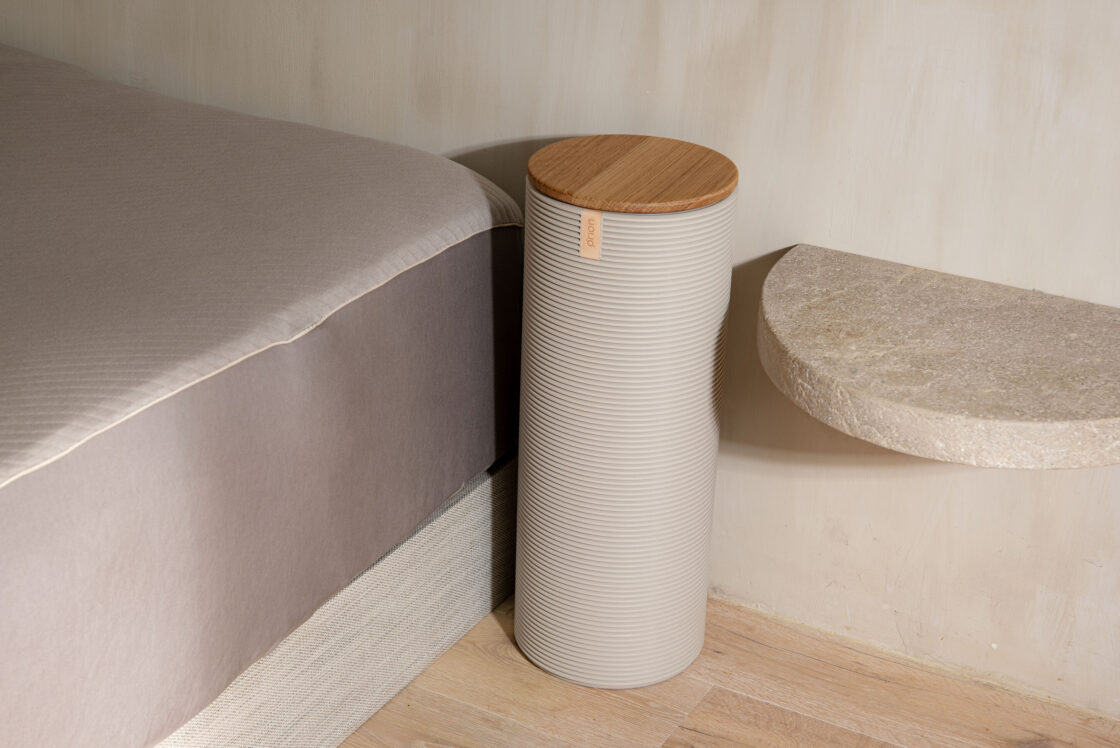
And it’s not just hardware. Sleep.ai, an AI-powered sleep intelligence platform that raised $5.5 million in venture funding this year, just rolled out Sleep Sense, a frictionless sleep sensor that uses any smartphone to detect sleep and wake patterns automatically.
Sleep tech is also crossing into clinical territory. Sleep Cycle, a sleep app, just teamed up with Dreem Health to let its one-plus million users connect directly with sleep specialists for evaluation and treatment.