Fitness engagement is no longer just about gym attendance—it’s about creating a connected, hybrid experience that meets members wherever they are
For years, gyms measured success by how often members walked through the doors. But today, engagement is something far greater. It’s about connection, experience and how seamlessly fitness weaves into a person’s life. With 40% of gym-goers wanting access to fitness experiences outside of their club, delivering hybrid solutions has never been more important.
Fitness has changed from simply attending workouts to something far more immersive and multidimensional. This transformation is supported by a surge in digital fitness options and the need for community and recovery. The global virtual fitness market is projected to grow at a compound annual growth rate (CAGR) of 26.72% from 2023 to 2030. Consumers also have shown a preference for hybrid workouts, mirroring their embrace of hybrid workplaces. However, they still crave connection and need to recover, and there has been an increase in social-setting exercise, such as running clubs and other group activities, like pickleball or relaxing in the sauna.
Andy Peat, CEO of Fitness On Demand, summarizes the “why” behind these trends: “Members want more than just gym access; they want a fully integrated fitness ecosystem that meets them wherever they are.”
For gym operators looking to stay relevant, success depends on meeting members in their daily lives — on their devices, at home and in the gym. Social media interactions, brand advocacy, personalization and referrals have also become key indicators of engagement, demonstrating that a well-connected fitness experience extends far beyond physical attendance.

The Fitness Ecosystem – Engagement Beyond Gym Walls
Member engagement is no longer just about gym attendance, it’s about the entire exercise experience, from the first brand interaction to ongoing participation both inside and outside the facility. People want seamless connectivity.
“As expectations evolve, members seek more than just gym access — they want a connected fitness ecosystem that fits their lifestyle,” he says. “This includes on-demand digital solutions, gamified experiences, and personalized programming that extends beyond traditional gym walls.”
That expansion includes activating every screen, whether it’s a member’s smartphone, a large in-club display, a kiosk or a recovery station, creating a fully connected and interactive environment. This is good news for motivating people toward better health. A Digital Health study found that fitness technology use is positively associated with increased physical activity.
“Unlike platforms that focus solely on digital content or in-gym solutions, we provide both in a way that’s seamless for the member,” Peat says. “We cover everything from high-intensity interval training and heart rate tracking to guided recovery sessions inside and outside the gym.”
This translates to a vast library of over 1,500 live and on-demand workouts, ensuring members remain active at home, while traveling, or even at work. The platform also provides exclusive retail discounts, further enhancing value for members and encouraging long-term engagement.
Personalization – The Demand for Customized Fitness Experiences
Personalization is key to modern fitness engagement, with data-driven approaches helping to tailor experiences to individual goals.
“Our Flex App personalizes workout recommendations based on user goals, while features like heart rate tracking and gamification create a more customized fitness journey using personal data,” says Peat.
Real-time data tracking and heart rate zone training enhance motivation and accountability, while gamification elements encourage members to challenge themselves, making workouts more engaging and rewarding.
Another advantage? Offering premium digital content allows gyms to introduce tiered membership models, add-on services and loyalty incentives that drive retention and secondary revenue.
Through strategic partnerships, Fitness On Demand is also introducing innovative features such as an in-app body scanner and AI-driven coaching, offering 24/7 personalized support. Looking ahead, the platform plans to introduce individual wellness scores, giving users a comprehensive overview of their overall health and fitness progress.

Hybrid Fitness Solutions – Breaking Down Barriers
For many people, traditional gym settings can feel intimidating or inconvenient. Social anxiety ticked upward after the pandemic. As a result, hybrid fitness solutions have become essential, allowing members to engage with fitness on their own terms — whether at home, in the gym or on the go.
“We surveyed over 100,000 gym members and found that 40% want access to fitness solutions both at home and in the gym,” says Peat. “Additionally, research from industry leaders like Les Mills suggests that individuals who first experience group fitness digitally are more likely to participate in live classes later.”
Unlike platforms that focus solely on digital content or in-gym solutions, Fitness On Demand offers a seamless omnifitness experience, integrating both into a fully connected environment.
Rather than focusing solely on digital content or in-gym solutions, today’s leading platforms are integrating both. Peat explains: “We activate every screen in the gym — whether it’s a member’s smartphone, a large in-club display, or a recovery station — creating a connected and interactive environment.”
Research also suggests that digital integration plays a key role in success. Fitness On Demand’s digital offerings have been linked to a 17% increase in member retention. Facilities that implement an omnichannel approach have seen increased member engagement and long-term commitment, reinforcing the value of hybrid fitness experiences.

credit: Fitness On Demand
The Rise of Recovery as a Core Offering
Another trend on the radar is recovery, which is no longer an afterthought, becoming a fundamental pillar of fitness programming. As members place greater emphasis on mobility, injury prevention and overall well-being, gyms and studios must integrate structured recovery solutions to meet these expectations.
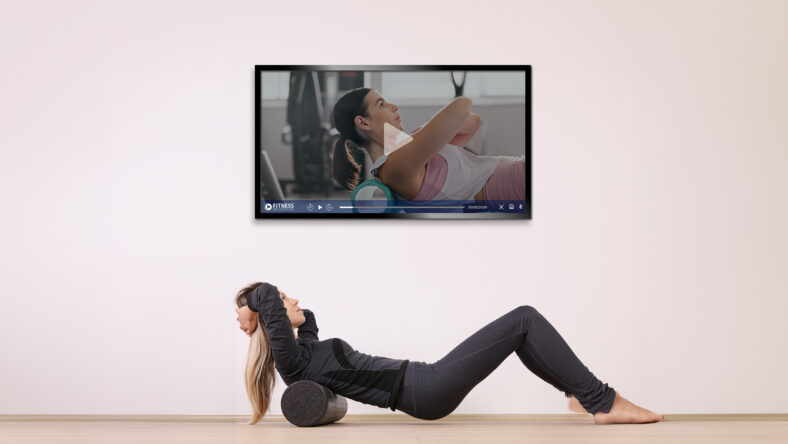
Fitness On Demand’s solution? A fully robust Recovery Station offering a 42-inch touchscreen hub designed to help members warm up, cool down and improve mobility with expert-led guidance. It delivers a cost-effective, space-saving solution that enhances the member experience while requiring minimal upkeep.
Key Benefits:
- Optimizing Underutilized Spaces – Recovery Stations transform unused areas into high-value member resources, maximizing a club’s footprint without major renovations.
- Low-Maintenance & Scalable – Unlike adding new equipment or hiring additional staff, the Recovery Station provides guided, on-demand recovery programming without ongoing labor costs.
- Enhancing Member Experience & Retention – Many gym-goers lack knowledge of proper recovery techniques. The Recovery Station bridges this gap, offering virtually-guided sessions that support members throughout their fitness journey.
By integrating dedicated recovery offerings, clubs can differentiate themselves, drive engagement, and increase long-term member retention — cementing recovery as a core part of their value proposition.
The fitness and wellness industry is fast-moving and full of opportunity, and operators who embrace hybrid engagement, recovery integration and personalization will be the leaders.
Through 24/7 AI-powered workout builders and personal coaching, guided recovery sessions that enhance mobility and reduce injury risk, and gamification and loyalty incentives to drive engagement, Fitness On Demand ensures that fitness experiences are dynamic and adaptable.
In the end, Peat says,” By embracing and leveraging industry trends and consumer demands, we’re ensuring that our partner gyms remain competitive and deliver unparalleled value to their members.”
This article originally appeared in ATN’s 2025 State of the Industry Outlook Report, a go-to guide for understanding the next generation concepts that will shape the fitness and wellness industry in the upcoming decade. Download the free report.