The women’s-only fitness chain was a hit in the 2000s. As it now expands across the U..K and Europe (and potentially the U.S. again), Curves is scaling a gym model built on psychological safety rather than performance culture
It’s hardly news that more women are embracing strength training. They’re lifting heavier, spending more time in free-weight areas and viewing muscle as an investment in long-term health.
But there’s a catch.
Many women say they still don’t feel comfortable in traditional gym settings. Unsolicited comments, the pressure to perform and the feeling of being “on display” remain common experiences, even as participation rises, according to one study.
It’s a dynamic that doesn’t always get talked about: women are lifting heavier, but they’re often navigating spaces that are still playing catch-up.
Curves thinks it has the fix (and a business opportunity to match). Once a household name in the early 2000s, the women-only fitness chain is now ready for a new chapter.
“Curves is now in a mature and revitalized phase, bringing together years of experience with a clear focus on modernization and innovation,” Curves’ chief operating officer and fitness expert Joanna Dase tells Athletech News. “While it retains the credibility built over decades, it has evolved its offering to stay relevant in today’s market, strengthening its positioning and increasing its appeal to investors.”
The women-only fitness chain, which still has more than 3,000 clubs globally, is now expanding franchise opportunities across the U.K. and Europe as demand for female-dominated, judgment-free gym environments grows.
While its footprint in North America is smaller (with 92 clubs across the U.S. and Canada), the brand sees opportunity to scale thoughtfully in international markets where demand is accelerating.
For insight into why the model is resonating, Dase points to changing expectations among female fitness consumers.
Why Feeling Safe Matters
“Over the past few years, women have become far more intentional about where they work out and how safe, supported and seen they feel in that environment,” Dase says. “What we are seeing now is not simple growth, but a meaningful change in what women want from their fitness journey.”

She adds that experiences like having to fight for space and compete for equipment in co-ed gyms have pushed many women to seek out more supportive environments, where workouts are structured, led by female coaches and grounded in community.
“That emotional and psychological safety is driving renewed demand where members can focus on strength training, connection and health rather than comparison,” she says.
The Behavioral Science of Gym Design
Behavioral experts say the environment matters more than most people realize.
“Numerous women declare that they are hyper-aware of their bodies or, on the contrary, judged in mixed gym areas, which may result in anxiety or not using certain exercises at all — mainly in free-weight areas that are often male-dominated,” Aubrey B. Hunt, a mental health expert specializing in anxiety and self-confidence at Willow Ridge, tells ATN.
That anxiety can quietly shape behavior, she says, from avoiding certain equipment to skipping workouts altogether.
“By making available a safe and supportive environment exclusively for women, operators can strengthen feelings of belonging and self-esteem,” Hunt says. “That makes participation more consistent and allows fitness to become a genuinely positive tool.”
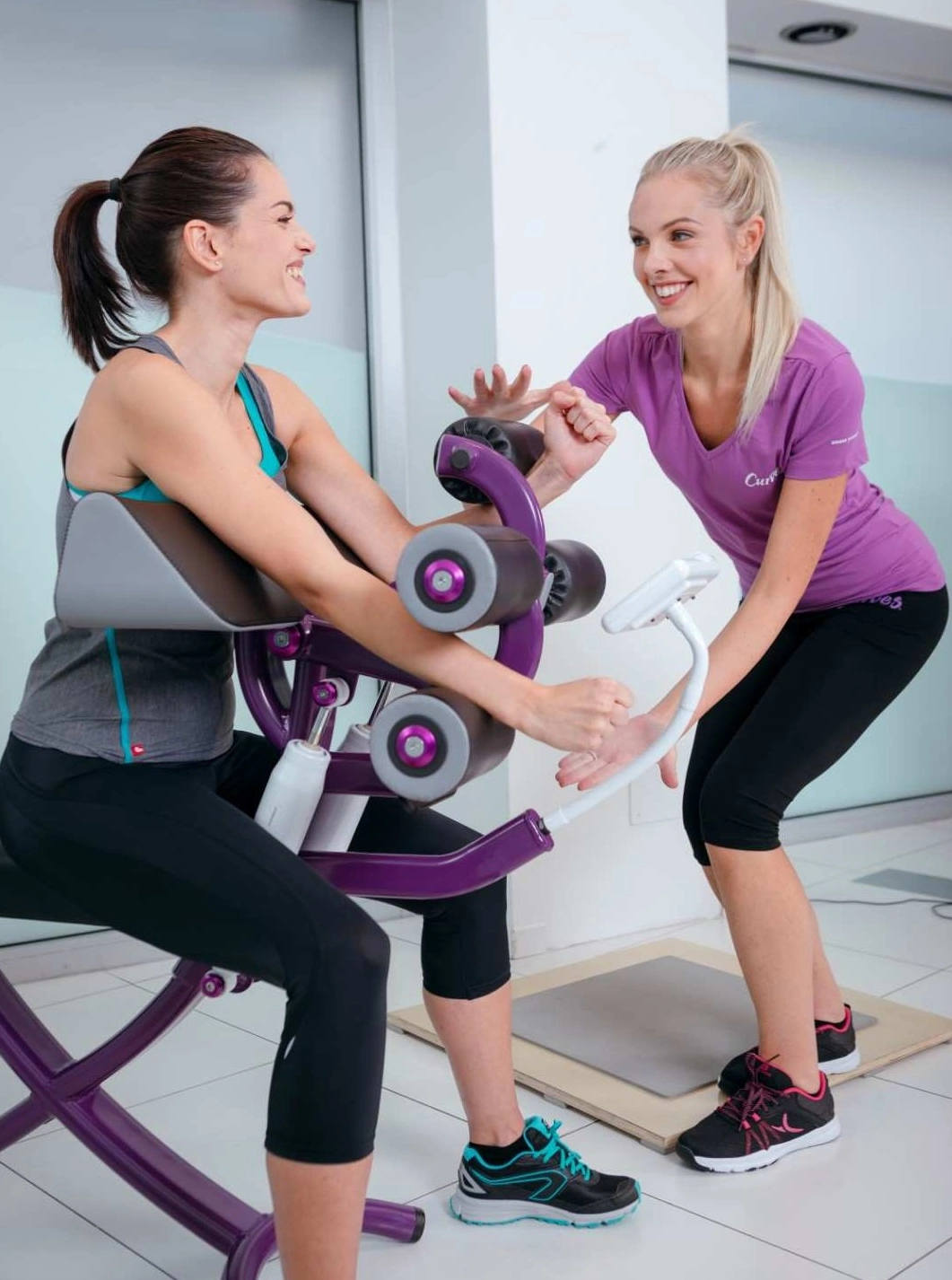
Hunt adds that creating those spaces goes far beyond signage or branding.
“Female-only spaces should be designed based on women’s direct insights to create an environment that feels welcoming, non-threatening and inclusive for all fitness levels,” she says, adding that staff training is key.
“Trainers and staff must learn how to create psychologically safe environments, address issues like body image, fear or harassment, and build a supportive community,” Hunt says. “Clear communication around why these spaces exist also matters — so women feel empowered to use them, not segregated.”
Curves Finds Its Gen Z Moment
Curves’ emphasis on psychological safety is connecting with younger women, many of whom grew up on boutique studios and strength culture.
That shift plays to Curves’ strengths, Dase notes, adding that younger women are prioritizing efficiency, structure and strength-based training.
“It aligns perfectly with Curves’ core approach,” Dase says. “Whilst the original member base values community and accessible fitness, today’s younger demographic also wants workouts that are fast, functional and backed by science.”
In practice, that translates into a 30-minute program that fits easily into busy schedules and is rooted in strength training, an approach that, as Dase points out, Gen Z and Millennials actively prioritize.
The brand has also modernized its equipment and tech stack, rolling out state-of-the-art fitness hardware alongside a member app that offers on-demand coaching, nutrition guidance and fitness tracking.
“What hasn’t changed is the commitment to creating physical fitness clubs where women feel supported, not overwhelmed,” Dase says. “That combination of heritage and innovation allows the brand to serve both generations effectively.”
Different Markets, Same Need
Perhaps most notable is the universality of it all. Regardless of where they’re located, female fitness consumers want the same things from their gym experience. That said, the motivations behind that demand vary by location.
“Urban areas tend to see demand driven by convenience, time-efficient workouts, and the desire for a space that feels personal in cities, where fitness can feel competitive or performative,” Dase explains. “In suburban or provincial markets, the appeal is rooted more deeply in community, connections and long-term health habits.”
But across regions, the underlying ask is remarkably similar.
“What remains consistent across all regions is that women want a space where they feel comfortable building strength,” Dase says. “That’s why growth is happening in both metropolitan and non-urban areas. The need is universal, even if the lifestyle patterns and priorities look slightly different.”