Strength training emerged as the top health priority for the year ahead, according to Life Time’s 2026 survey of members and non-members, while longevity is becoming a key motivator for fitness goals
As the fitness and wellness industry heads into another New Year surge, Life Time’s latest consumer research suggests the conversation is moving away from short-term weight loss and toward long-term strength, recovery and longevity.
According to Life Time’s 2026 Health and Wellness Survey, which polled both members of the upscale athletic country club and general consumers, 82% of respondents say they plan to focus more on overall health and well-being in 2026, marking a 7% increase from the previous year.
Strength & Longevity Lead the Agenda
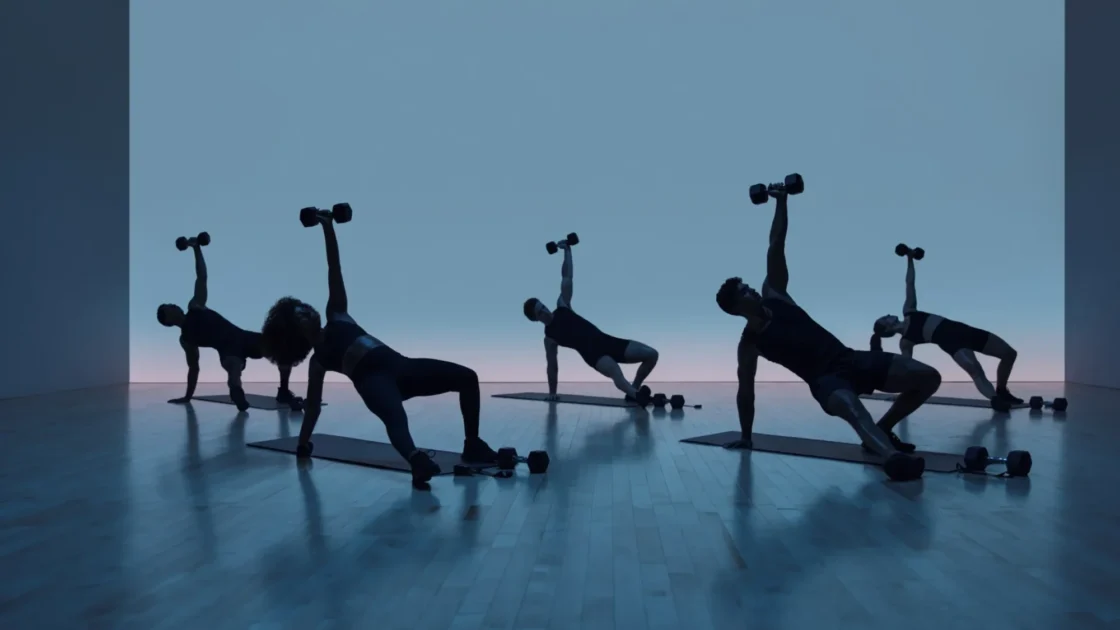
Strength training emerged as the top health priority for the year ahead, as 42.3% of respondents identified getting physically stronger as their primary 2026 health goal, making it the most cited objective in the survey.
Nearly half (46.5%) said they plan to lift more weights in the New Year, far outpacing other workout modalities.
Longevity is also becoming a central motivator: 33.2% cited longevity as a key health driver, while 46.4% pointed to overall fitness.
“Strength training is the new weight loss,” Life Time director of recovery and performance Danny King said. “People are training more intentionally, to feel and perform better for longer — and pairing that with smarter recovery and objective health metrics.”
Looking ahead, respondents identified longevity (37.8%) as the wellness trend most likely to define 2026, followed by GLP-1 medications and peptides (24.4%) and AI-guided training (14.6%).
AI Draws Interest, With Caution
Artificial intelligence is also gaining traction, though adoption seems measured. According to Life Time’s findings, 35.3% of respondents report using AI tools regularly or occasionally to support workouts, nutrition or health, while 36.4% say they may be curious to explore AI-supported fitness tools in 2026. Not everyone is on board, though, as 28.3% said they are not interested.
Among users, the most common AI applications include workout programming and nutrition guidance or tracking, suggesting that consumers view AI as an assistive tool rather than a replacement for human coaching.
Sleep Over Snacks, Solo Over Social
When forced to choose, respondents overwhelmingly favored recovery over indulgence: nearly 69% said they would select getting eight hours of sleep over eating unlimited snacks without weight gain.
Sleep quality and stress levels, however, remain mixed heading into the New Year: 43.1% rated their sleep quality as good, while 32.4% described it as average. Stress levels showed a similar split: 43% said stress feels about the same, 22.7% reported less stress and 34.3% reported more stress entering 2026.
Workout preferences continue to lean independent, as 50.5% said they prefer exercising solo, while 33.6% favor group fitness classes.
Supplements, Social Media & Trusted Guidance
Supplement priorities are also evolving, with protein, multivitamins and vitamin D ranking as the most important, followed by electrolytes and magnesium.
When it comes to learning about new health and fitness trends, certified professionals remain the top source, but social media ranked a close second, ahead of friends and family, news outlets and podcasts, demonstrating the growing influence of digital platforms on consumer decision-making.
Life Time Scales Longevity, Nutrition & Digital Wellness
For its part, Life Time is already leaning into the longevity shift and has been expanding beyond traditional fitness into longevity care, nutrition and digital wellness, an approach founder and CEO Bahram Akradi says is helping insulate the brand from consumer pullbacks.
On an earnings call in November, Akradi pointed to growing member engagement and strong in-center performance as Life Time scales offerings such as its Miora longevity clinics, LTH Nutrition line and AI-powered health companion.
Looking ahead to 2026, Miora, which offers weight loss medications, peptides, hormone replacement therapy and other popular wellness modalities, will open several new locations and expand much more aggressively across many markets by the end of the year, Akradi said.
“At Life Time, we are investing in spaces, equipment and programming like our metabolic testing that help people build strength safely, recover effectively and stay consistent long term,” King said.