This week, we break down why America’s new inverted food pyramid is poised to impact everyone from fast-food chains to wellness brands. Plus, we analyze Mark Mastrov’s blockbuster deal to buy back 24 Hour Fitness
The U.S. Department of Agriculture released new dietary guidelines on Wednesday, including a food pyramid that’s radically different from the one you grew up staring at on the wall during your school days.
The controversial new “inverted pyramid” places meat and dairy at the top alongside fruits and vegetables, prioritizing a high-protein diet and stressing that Americans should eat mostly whole foods, while avoiding grains, seed oils and other processed foods as much as possible.
Whatever your opinion of the MAHA-style nutrition guidelines, the high-protein shift has been playing out across America’s fast-food chains for months now.
Shake Shack just introduced a high-protein menu, touting lettuce-wrapped beef and chicken burgers that contain upwards of 50 grams of protein and are low in carbs and gluten-free. Shake Shack’s move taps into America’s protein fixation, joining brands including Starbucks, Dunkin, Sweetgreen and Chipotle, all of whom have introduced high-protein options.
The protein craze isn’t slowing down any time soon, but the form it takes in the years ahead could be drastically different.
The MAHA movement’s war against processed foods seems to place powders, bars and other protein-fortified products on the outside looking in. These days, if it’s not a “clean food,” it’s not in favor with the government — or the legions of social media followers convinced that seed oils, gluten and processed grains are what’s making America fat.
How the protein market responds to this challenge in the months and years ahead will say a lot about the sector’s long-term future, and could fundamentally change the look and feel of America’s grocery aisles and supplement stores.
Can Mark Mastrov Bring 24 Hour Fitness Back to Its Glory Days?
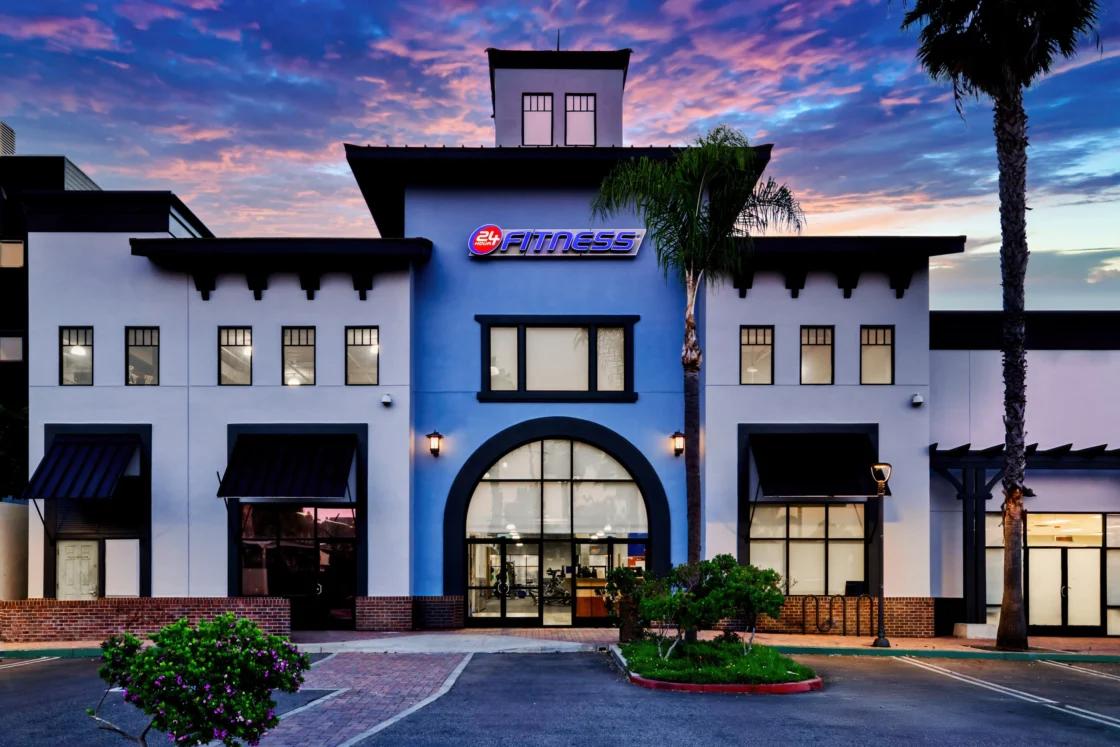
24 Hour Fitness founder Mark Mastrov teamed up with PE firm LongRange Capital to buy back the gym chain he started in the 1980s and scaled from a single club to 420 locations and 4.5 million members.
The deal sees Mastrov, who sold 24 Hour Fitness in 2005 for a reported $1.6 billion, rejoin the brand as owner and executive chair. Current 24 Hour Fitness president and CEO Karl Sanft will remain in his role.
Mastrov comes back at an interesting time: 24 Hour Fitness was forced to close down many of its clubs due to the pandemic, currently counting around 240 locations. The mid-priced gym brand has also had to deal with the rise of low-price juggernauts like Planet Fitness and Crunch (which Mastrov has previously invested in).
While few details have emerged about Mastrov’s plans for 24 Hour Fitness in the years ahead, the gym brand heralded a “next era of growth” in a press release announcing the transaction.
Having Mastrov back in the fold with the brand he made famous is exciting news for the fitness industry — and potentially troubling for America’s currently established big-box gym giants.
More News & Notes:

- In a world filled with AI slop and misinformation, Equinox’s new campaign reminds people that fitness is about being human.
- Is Quitter’s Day still a thing? A new study of Apple Watch users found that more people are sticking to their New Year’s fitness resolutions.
- Women’s health is more popular than ever, but major educational hurdles remain, a new survey revealed.
- The FDA says it will limit the regulation of health and fitness wearables, which is a big win for brands like Whoop.
- Target is accelerating its wellness push as big-box retailers stock their shelves with supplements, clean-energy drinks and more.