From probiotic skincare to scent-driven environments, wellness is increasingly becoming embedded into everyday beauty products and experiences
A walk through the aisles of Ulta, Sephora, Walmart or Target this year shows how quickly wellness has scaled, with grab-and-go shelves of gummy vitamins and loofahs giving way to expansive, clearly labeled “Wellness” sections as retailers expand their assortments.
The bigger story isn’t the space itself, but what’s showing up on the shelves and what consumers are now seeking.
Mintel’s 2026 Global Beauty and Personal Care predictions put the shift into sharp focus, identifying wellness-integrated beauty as an emerging category that combines skincare, ingestibles and technology and folds it into everyday wellness routines.
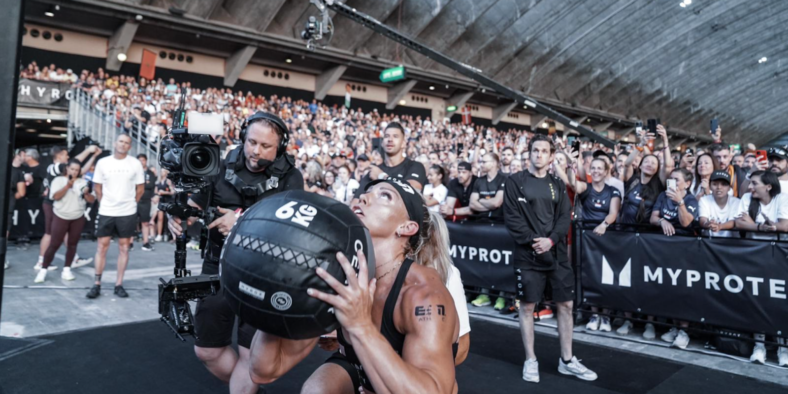
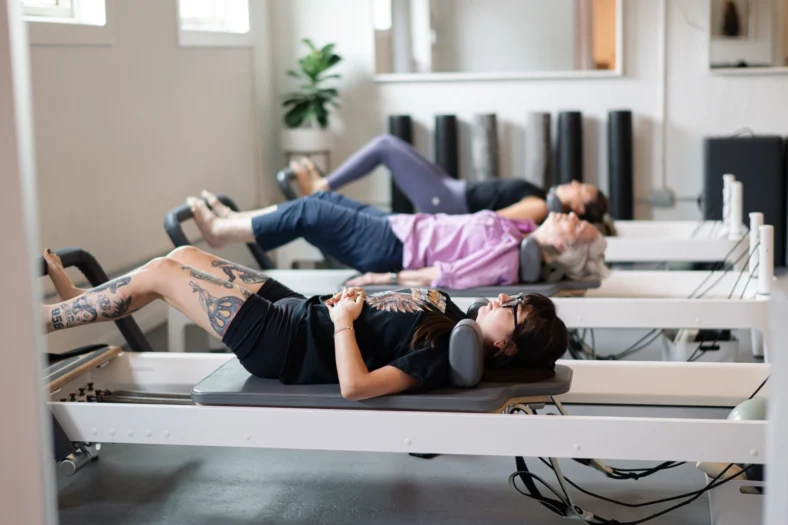
The opportunity extends beyond retail. With wellness-obsessed Gen Z and Millennial consumers spending more time in gyms and Pilates studios, fitness and wellness brands are well-positioned to benefit from the trend.
Here are the key trends the global market intelligence agency says will define 2026, along with early examples of how fitness and wellness brands are putting them into practice.
Metabolic Beauty Moves to the Forefront
If beauty is what’s on the inside that counts, the phrase hits differently in 2026 and beyond, with metabolic health emerging as the new foundation of skin and hair care.
According to Mintel, consumers are warming to the idea that beauty products should do more than enhance appearance. They want them to deliver functional benefits, much like the beverages and supplements already embedded in their wellness routines.
It’s a transition already underway through ingestible beauty products such as collagen powders and probiotic skincare supplements. Looking ahead to 2030, Mintel predicts that skin and hair will be recognized as the body’s most accessible biomarkers, reflecting internal health rather than simply surface-level aesthetics.
As a result, consumers will increasingly expect their moisturizers and serums to do the heavy lifting internally, not just externally.
For traditional beauty brands, Mintel suggests this shift could fundamentally reshape their role, with brands evolving into trusted health partners, offering diagnostics, biomarker tracking and personalized routines alongside products.
Major players are already making big moves. Earlier this fall, L’Oréal and Kering announced a long-term strategic partnership in what is described as an “ambitious project” to bring their joint expertise in skincare and longevity. Meanwhile, biotech skincare startup OneSkin secured $20 million to accelerate its ambitions in the “skinspan” market.
One key signal to watch, Mintel says, is the rise of partnerships between beauty brands and health-tech startups.
From a business standpoint, the opportunity is compelling. Mintel notes that consumers are already spending heavily on wellness categories such as supplements, GLP-1 medications and wearables. The global marketing intelligence agency also points to a rise in online conversations around phrases such as “clinically proven” and “science-backed skincare,” demonstrating growing consumer interest.
Retailers are on board, too. Ulta Beauty raised its full-year outlook, crediting strong demand in its skin care and wellness categories. CEO Kecia Steelman called wellness “a billion-dollar business over time,” noting that the market is already growing faster than beauty.
If beauty brands can successfully own the skin-health overlap, Mintel says they stand to capture higher spend per consumer across multiple categories, including skincare, ingestibles and devices.
Fitness & Beauty Brands Align
And in the fitness realm, entire brands have been born from this overlap. Après Beauty was built specifically around post-workout skincare, targeting sweat, makeup buildup and gym-related breakouts with portable products. They also offer fitness-related accessories, such as Pilates grip socks and toning bands.
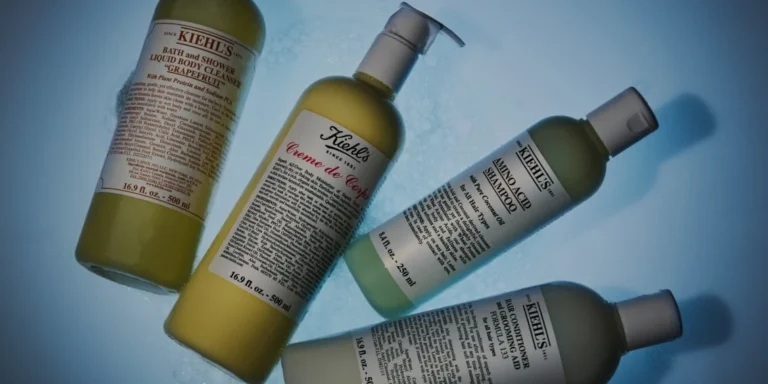
Life Time’s partnership with Kiehl’s this year offers a real-world example of how wellness-integrated beauty is taking shape in health clubs. By bringing luxury skincare products into club showers and dressing rooms, the athletic country club operator is treating skincare as part of the post-workout experience.
Given that Pilates audiences skew heavily female, pop-ups and brand collaborations may prove especially effective. Short-term activations inside studios (from post-class skincare sampling to recovery-focused beauty experiences) allow beauty brands to reach wellness-first consumers, while giving operators new ways to elevate the post-class experience.
Sensory Wellness Becomes a Core Function
While science and data are driving beauty’s health ambitions, Mintel highlights a parallel shift toward sensory and emotional wellness.
Functional fragrances, mood-enhancing textures and immersive rituals are emerging as tools for emotional regulation and stress relief, a welcome experience in today’s hectic world. It’s already showing up in ASMR-inspired packaging and more experiential retail environments designed to engage consumers.
Mintel also points to a growing crossover into sleep and productivity, predicting increased demand for functional fragrances that support stress reduction, sleep and focus, alongside collaborations with travel and hospitality partners.
From a brand perspective, Mintel notes that sensory-led products can build stronger emotional bonds by delivering feel-good outcomes, while also opening the doors for expansion into categories such as interiors, fashion and hospitality.
Some companies are already putting the sensorial shift into gyms. Scenting company Aroma360 works with fitness centers and wellness clubs to create subtle fragrances for different environments, using energizing scents like peppermint or citrus in high-intensity training spaces and more grounding notes such as lavender, sandalwood or cedarwood in yoga and recovery rooms.
As sound becomes an increasingly important part of the wellness experience, driven by the rise of sound healing classes and breathwork sessions, lighting and fragrance can help reinforce the emotional intent of each space, creating a more immersive experience that stands out in an increasingly crowded market.
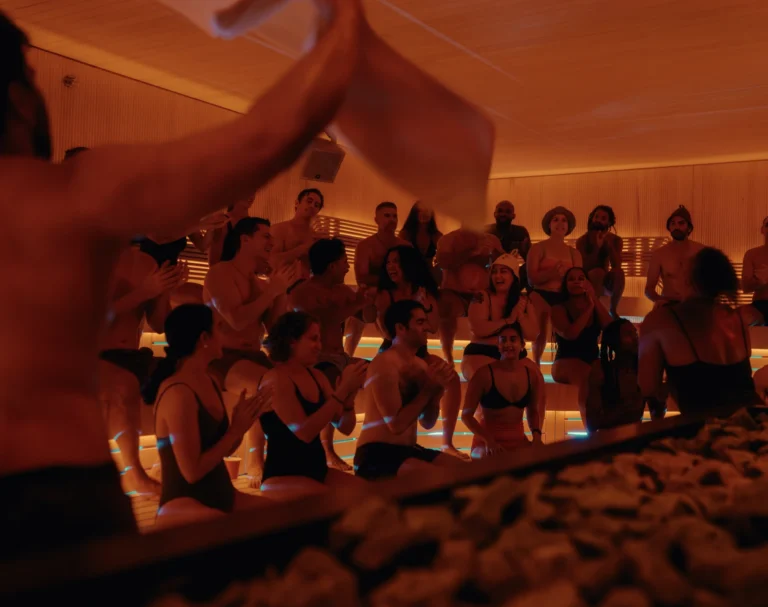
Othership, the social wellness brand, offers a clear example of how sensory experiences are extending beyond its studios. In addition to its immersive classes, Othership sells a line of signature-scent products, including incense, essential oils and body-care tools, to help members recreate the emotional tone of its spaces at home.
From Shelf Space to Shared Spaces
Altogether, Mintel’s predictions for 2026 suggest that the next phase of wellness-integrated beauty won’t be defined just by what brands sell, but by where and how those products show up.
As beauty becomes more functional and more experiential, gyms, studios and wellness spaces can become a natural extension of the category, meeting consumers where self-care already happens and giving them more reasons to stay engaged.