From women’s longevity and “neurowellness” to the backlash against over-optimization, ATN breaks down the shifts set to define the booming global wellness economy this year
NEW YORK — The wellness economy is constantly growing and evolving, last year hitting a record $6.8 trillion and forecasted to reach $9.8 trillion by 2029, according to the Global Wellness Institute (GWI).
As the sector continues expanding — with shifts towards more strength training, holistic wellness, longevity, greater focus on women’s health, wellness tourism and more — new players enter the industry and fads move in and out.
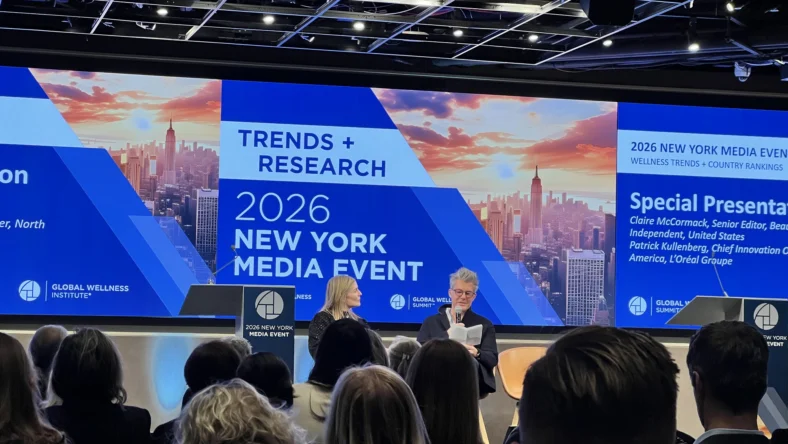
To make sense of where we’re going, Athletech News breaks down the top 10 trends for 2026, according to the GWI’s 2026 trends report, unveiled Tuesday in New York City.
1. Women in the Longevity Spotlight
Men have long been the dominant voices and consumers in the longevity market, but the wellness industry is finally adapting to emerging female-focused research that reflects how women age differently, catering to their unique physiological needs.
Brands and key industry players are shifting more to address women’s healthspan and the growing importance of addressing ovarian health, as well as how women’s needs change at every life stage.
One of those major brands was Equinox, which launched a new Women’s Health and Performance Initiative last year, a comprehensive fitness and wellness program created to support women throughout different stages of life.
GWI’s report highlighted that women have long been left out of the longevity conversation, supported by research that indicates widespread misinformation, shame and lack of support surrounding key women’s health topics like vaginal health, pleasure, menstruation, pregnancy, OB/GYN care and menopause.
2. Over-Optimization Backlash
As helpful as it can be to have access to so many metrics about sleep, fitness and health, GWI has found that biohacking and optimization culture may have gone too far.
A culture of constant health surveillance has led to a backlash, GWI reports, as fixation on data and metrics can add unnecessary stress, causing people to move beyond performance optimization and towards analog lifestyles that are less about tracking, and more about emotional and nervous system regulation.
“What once felt aspirational — biohacking routines, longevity stacks and wearable-guided habits — is increasingly experienced as emotionally draining. Instead of delivering motivation, optimization culture now carries the weight of obligation: routines to maintain, standards to uphold and visible proof of ‘doing wellness right,’” the report authors wrote.
“What is being rejected is not science or progress, but the idea that wellbeing must be constantly engineered, displayed and perfected to be legitimate,” they added.
3. The Rise of ‘Neurowellness’
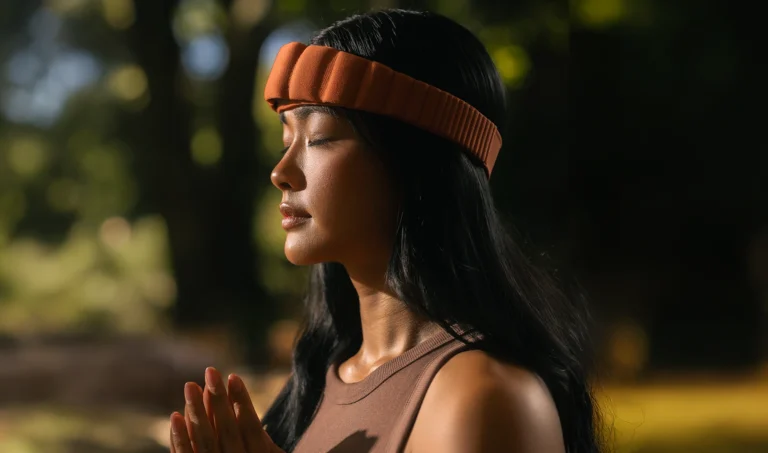
It’s unsurprising that “neurowellness” is a growing priority, as our nervous systems are constantly being stimulated, whether from social media, an always-on work mentality or the pressure to be successful.
A chronically stressed nervous system contributes to poor sleep, anxiety and depression, digestive issues, hormonal imbalance, chronic inflammation, heart disease, weakened immunity, brain fog and accelerated aging.
The growing sector of neurowellness — which includes addressing brain aging and neurological wellness — reflects a shift from simply managing symptoms to preventive care that builds a more resilient system overall.
Brands at the forefront of neurowellness include Pulsetto, a vagus nerve stimulator that takes the body out of fight-or-flight mode, and Elemind, a smart wearable headband that uses neurotechnology and AI-driven acoustic stimulation to help users fall asleep faster, reduce sleep onset time and improve sleep quality.
4. Fragrance Layering
According to GWI, fragrance layering — combining scents to create unique, personalized identities — is the next frontier of how people express and signal personality, curate moods and engage with others.
The global fragrance market is expected to reach about $62.11 billion in 2025, according to Statista. While scent is often thought of as a luxury, fragrance is increasingly emerging as a mode of ritual, emotion and individual expression.
Beyond identity cultivation, fragrances can notably impact emotional well-being, causing shifts in people’s moods and how they relate to one another, the report claims.
5. Ready Is the New Well
With a growing number of climate disasters, which are more visible than ever online and in the media, anxiety about being prepared has skyrocketed, hence the growing trend of disaster preparedness as a form of wellness.
GWI reports that disaster preparedness can take on a form of preventive wellness, calming people’s stress, anxiety and fears as they feel ready for any potential natural disasters that are becoming more frequent.
Apps like Genjo offer mindfulness tools tailored for climate anxiety, grief, and the emotional burden of climate change overall.
6. Skin Longevity
Skincare appears to be the next wave of longevity, as experts and practitioners increasingly identify skin health as a biomarker for healthspan, especially on the cellular level.
New advancements in data and technology allow researchers and medical professionals to assess skin aging and even identify the skin’s biological age, while major brands like L’Oreal are pouring funding into researching preventive and diagnostic skincare.
Going forward, experts predict skincare will move beyond serums and topical solutions, embracing supplements, red light therapy and increasingly personalized care solutions.
7. The Festivalization of Fitness & Wellness

The importance of community and social engagement is widely recognized as a core pillar of wellness now, which has led to the “festivalization” of fitness and wellness through major events like Hyrox, Runningman and wellness retreats.
Brands are increasingly offering these “third spaces” for people to convene over shared interest in fitness and wellness, especially as drinking continues to plummet and people look for healthier alternatives for socializing, including “soft clubbing” in fitness studios.
8. Women’s Sports
Deloitte reported that global revenue for women’s sports was $1.88 billion in 2024 and was projected to hit $2.35 billion in 2025.
While women’s sports are undoubtedly on the rise, GWI points out that it’s not just a rise in fandom, but a shift in the way people engage with teams and players.
Women’s sports bars have popped up across the country, as female athletes are increasingly centered in marketing campaigns with mainstream brands in ways they haven’t been before, such as Coco Gauff’s exclusive American Eagle collection.
Outside of pro athletes, women in the fitness industry are shifting away from wanting to shrink their bodies and towards becoming stronger, with a greater focus on lifting heavier and overall strength training.
9. Microplastics Are a Health Issue
They’re everywhere. Microplastics are in our bloodstreams, our brains and our food, which is why the wellness industry is paying more attention to how these tiny particles threaten our health.
Research has shown that the steps people can take to reduce the microplastics in their body are already some of the biggest wellness trends: increasing fiber intake, sitting in a sauna and improving sleep.
GWI’s report indicates that new technologies that directly remove microplastics from the body — and the bloodstream — could become more common, but the research still has a long way to go.
10. Longevity Residences
Wellness tourism is proving to be a booming market, but the major shifts in wellness happen daily, not through once-a-year retreats.
GWI identifies that large-scale developments built for longevity and wellness are rising, such as Velvaere in Park City, a community where residents can access wellness amenities like infrared and IV therapy, hyperbaric chambers, personal training, cryotherapy, spa treatments and more, all while building community with other like-minded residents.
Experts predict that people will increasingly look to have in-home longevity care, like red light therapy and metric measurements available at their fingertips for daily biohacking capabilities.