Skelcore blends design, performance and efficiency to help operators grow smarter, stand out and keep members engaged
In today’s fitness industry, growth is no longer just about adding more square footage or equipment. Rising real estate costs, shifting consumer expectations and the social media spotlight have changed the equation. Operators need smarter models, differentiated offerings and equipment that doubles as both performance tool and brand asset.
That’s exactly the space Skelcore has claimed. With a design-forward, innovation-driven product ecosystem, the Miami-based brand is redefining what equipment can do for gyms and hospitality operators alike. Beyond performance, Skelcore is helping businesses drive ROI, stand out in crowded markets and build community-focused spaces that keep members engaged.
Differentiation as a Growth Strategy
In saturated markets, differentiation is no longer optional — it’s survival. Members can choose from countless facilities, boutique studios and digital platforms. What makes them stay loyal is often as much about environment and experience as it is about price.
“Premium aesthetic equipment becomes a brand within the brand,” says Marc Ackermann, CEO and founder of Skelcore. “When people walk into a facility, they’re not just evaluating the workout — they’re evaluating the energy, the uniqueness, the feel. If it looks like every other gym, you’ve already lost the battle for differentiation.”
This is where Skelcore has leaned heavily into design. Chrome dumbbells, walnut plates and retro-inspired machines don’t just deliver results — they become visual statements. For operators, this creates organic marketing opportunities as members share their workouts online. In an era where social media drives discovery, equipment itself can be a growth engine.
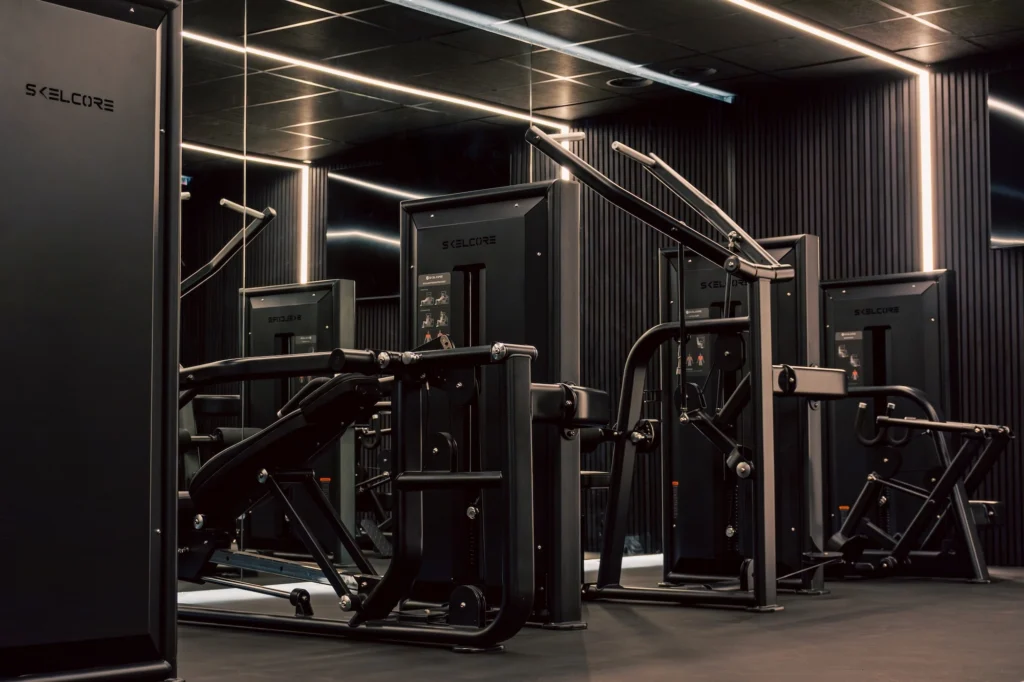
By fusing aesthetics with biomechanical precision, Skelcore turns tools of training into tools of branding. It’s a strategy that resonates with Millennials and Gen Z, who increasingly shape their fitness choices based on what they see and share on social media.
And while differentiation helps facilities stand out, operational efficiency ensures they thrive. With rents rising and large-format spaces harder to secure, many operators are turning to smaller, smarter gyms — typically around 10,000 square feet — that emphasize strength, recovery and community.
Skelcore has anticipated this shift with a full line of small-footprint selectorized and plate-loaded machines. These designs allow operators to fit more functionality into the same space, often enabling three Skelcore machines where competitors would fit two. The payoff is clear: more training stations, higher member throughput and stronger ROI.
“The main point isn’t that large-format gyms are going away,” says Ackermann. “They’ll always play a role. But for operators looking to expand quickly or build tighter communities, smaller formats are often the smarter growth path. They’re easier to find, easier to build and deliver faster returns.”
In practice, this means operators can design gyms that are leaner, more efficient and deeply community-driven — without compromising on member experience.
Retro Meets Modern
Alongside smarter models, cultural trends are reshaping what people want from their workouts. Ackerman says that one of the strongest movements currently is the resurgence of old-school style training. Heavy-duty plate-loaded machines, retro aesthetics and classic movements like chest presses and lat pullovers are making a comeback — particularly among younger demographics.
Skelcore has embraced this by reimagining retro equipment with modern engineering. Machines inspired by the “blood and guts” era of the 1980s and 90s now feature smoother biomechanics, open designs that brighten facilities and premium finishes that elevate the overall aesthetic.
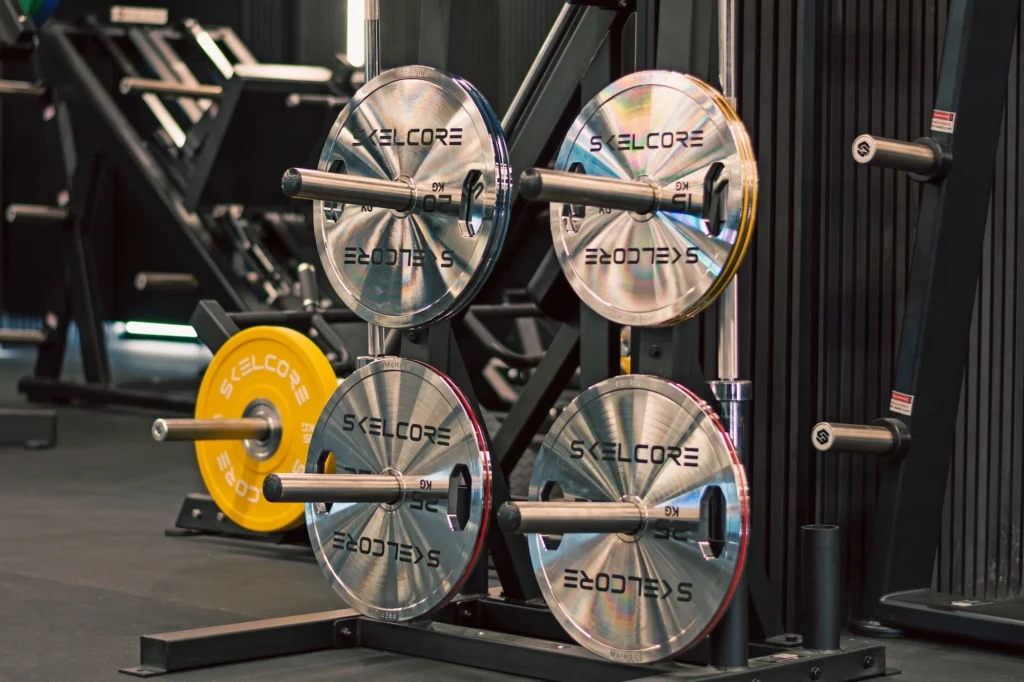
For Millennials and Gen Z, these machines deliver the authenticity of old-school training while aligning with contemporary expectations for quality and style. For operators, they present a powerful differentiator — equipment that excites members, sparks online buzz and turns cultural trends into revenue opportunities.
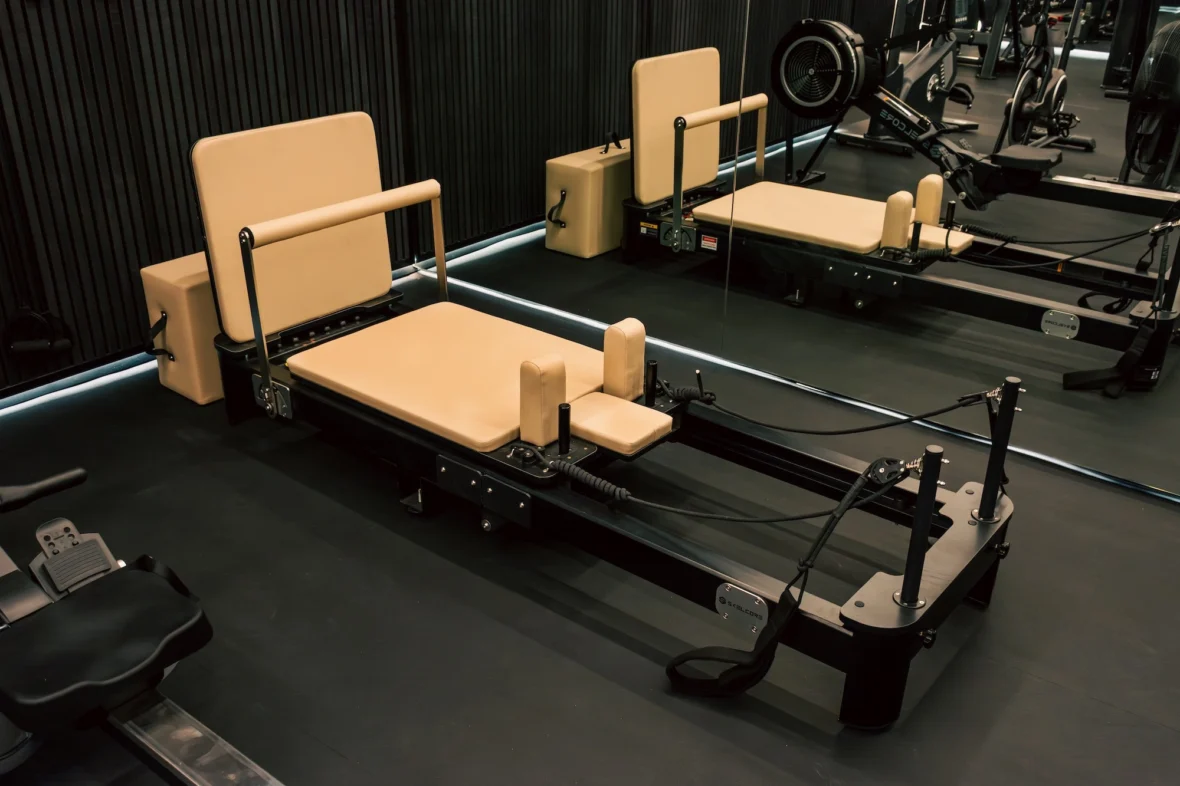
And behind the design and differentiation is a deeper strategy: helping operators grow smarter by being more flexible. Skelcore’s modular lines — from its Power Series strength equipment to its foldable Pilates reformers — allow facilities to adapt quickly to new demands.
This is particularly valuable as hybrid models continue to rise. Facilities are converting underutilized studios into multi-use spaces, offering everything from Pilates and yoga to HIIT and recovery. Skelcore equipment is built to support this evolution, ensuring operators don’t have to choose between form and function.
Ackermann also emphasizes the consultative approach Skelcore brings to these projects. “We don’t just sell equipment — we work with operators to understand their demographics, their goals and their space limitations. Then we curate solutions that maximize ROI and set them up for long-term success.”
Building Community Through Design
Another key advantage of Skelcore’s smarter approach is the ability to create spaces where community thrives. Whether in a boutique strength facility or a hospitality wellness lounge, layout and equipment choices shape how people interact.
By providing smaller-footprint machines and modular solutions, Skelcore enables operators to design environments where members naturally connect — training side by side, sharing experiences and building loyalty. In today’s market, where retention is as critical as acquisition, that sense of community is a competitive edge.
For operators navigating today’s challenges — from rising costs to evolving member expectations — growth depends on more than adding equipment to the floor. It requires smarter strategies, sharper differentiation and solutions that balance ROI with experience.
Skelcore delivers on all three. With premium aesthetic equipment that doubles as a branding tool, small-footprint solutions that maximize efficiency and retro-modern designs that capture cultural momentum, the brand is helping gyms and hospitality operators not just survive — but thrive.