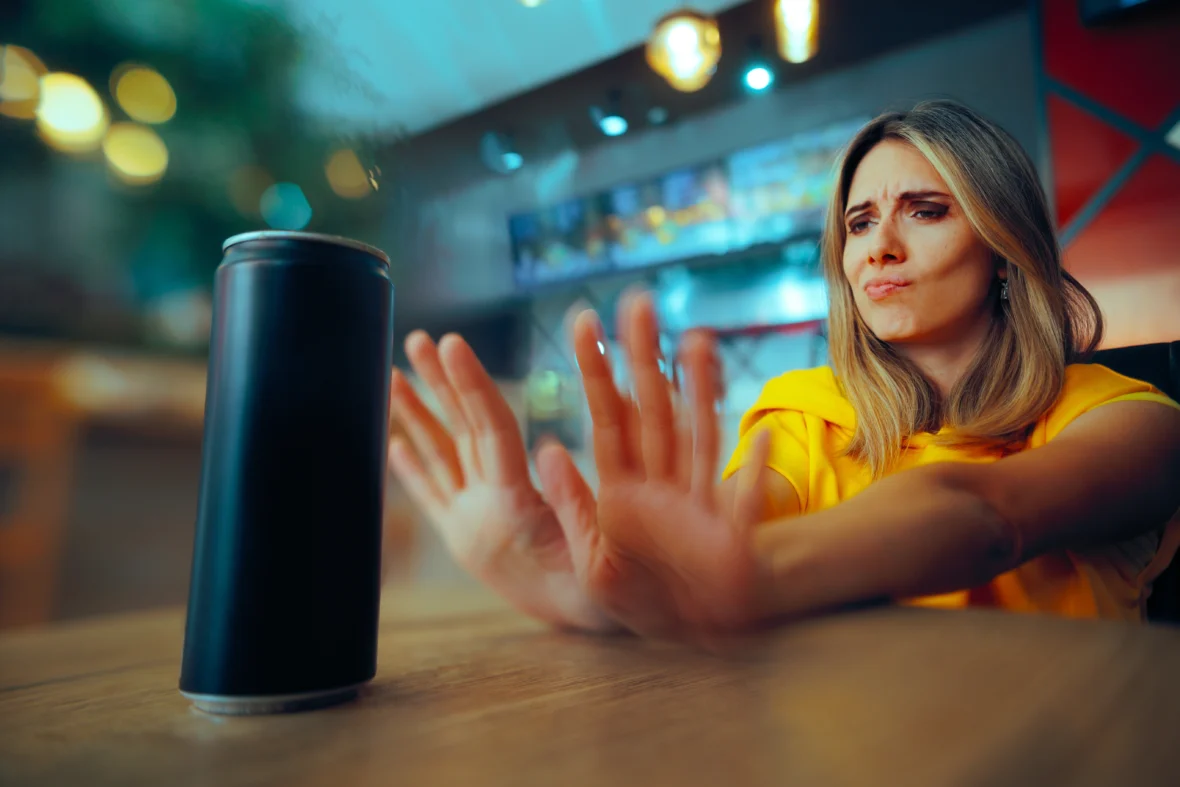
Caffeine jitters are reshaping routines as the wellness market splits between calm-focus functional drinks and high-energy options. Could DNA-powered personalization be the next growth opportunity?
Americans are hooked on caffeine. Three out of four adults start their day with coffee, while energy drink sales keep climbing. But a new survey reveals a growing tension in that daily ritual: for a big chunk of consumers, the pick-me-up comes with a side of shaky hands, racing hearts and anxious spirals. And here’s the kicker: what if your 8 a.m. buzz isn’t really about the coffee at all, but your DNA?
A nationwide survey of nearly 3,000 U.S. coffee drinkers, conducted by Quantix Partners for functional coffee brand Everyday Dose, found that more than one in three regularly experience the “jitters” after drinking coffee. Younger adults (18–24) reported episodes at nearly five times the rate of those over 65, despite their affinity for energy drinks and revealing just how complicated their relationship with caffeine has become.
The findings align with what researchers have long known: genetic variations in the CYP1A2 gene influence the rate at which the body metabolizes caffeine. Roughly half the population carries a variant that slows caffeine breakdown, meaning a single cup can hit harder (and last longer) than intended, leading to unpleasant side effects.
And in the age of personalization, it may not be a surprise that curiosity runs high. According to the survey, over 70% of Americans say they’d want to know if their DNA influences their caffeine tolerance, a signal that genetic insights could open the door to a new frontier in beverage innovation.
Still, side effects aren’t enough to break the habit. Forty-one percent of respondents admitted they tolerate the jitters because they “need” the caffeine, demonstrating just how strong a hold it has on daily life.
“Coffee is more than just a beverage, it’s a ritual deeply embedded in our culture, with 76% of American adults drinking it daily,” Everyday Dose founder and CEO Jack Savage said. But he acknowledged that traditional coffee “can take a toll on the body.”
Coffee Alternatives Pick Up Steam
For Savage, years of powering through uncomfortable buzz and caffeine crashes led to creating a functional coffee brand that he says is designed to work with the body, not against it.
Just as consumers are reaching for better-for-you foods, they’re also rethinking their caffeine habits and are on the hunt for “clean” energy sources that deliver focus without the wired feeling. Among those who report caffeine sensitivity, 66% have considered switching to an alternative, such as decaf coffee, matcha, mushroom coffee or L-Theanine, while 67% have cut back on their coffee intake altogether.
Brands across the spectrum have joined Everyday Dose in chasing the opportunity. Laird Superfood, another player in functional beverages, recently expanded its portfolio with new mushroom-infused whole bean and decaf coffees.
Energy Drinks See a Resurgence, Too
Yet paradoxically, traditional energy drinks are booming, particularly among Gen Z, the same group most likely to report shaky hands and racing hearts, while legacy giants are also muscling in.
Celsius and PepsiCo just struck a sweeping portfolio deal that puts Celsius in the driver’s seat of PepsiCo’s U.S. energy strategy. The agreement hands Celsius the Rockstar brand in the U.S. and Canada, moves Alani Nu into PepsiCo’s powerful distribution system and unlocks new channels for Celsius to scale its reach. At the same time, new entrants are emerging, such as Naked Nutrition and Phorm Energy, the Anheuser-Busch, 1st Phorm and Dana White-backed newcomer that hit 7-Eleven shelves last month.
It’s a split that shows the reality of today’s wellness market, where people crave options better aligned to their needs, but they’re not letting go of what’s fast or familiar.
Is DNA-Powered Personalization the Answer?
If the survey results are any indication, personalization may be the next differentiator, with consumers signaling openness to tools that make their daily buzz smarter. Several at-home DNA kits, from 23andMe, Genex Diagnostics and Dynamic DNA Laboratories, now offer simple cheek swab tests to determine caffeine sensitivity.
Even as consumers become more equipped with answers, the ritual will remain. It’s the desire for smarter, cleaner alternatives that’s changing, Savage said.
“Our functional beverage movement is just getting started,” he said.