Amid the strength training boom, the American College of Sports Medicine has published its first new position on the modality in 17 years. The organization says people should prioritize consistency over complicated routines
In its first major update since 2009, the American College of Sports Medicine (ACSM) has revised its strength-training guidelines for adults, after an analysis of data from over 30,000 participants across 137 systematic reviews.
At the core of the organization’s revised stance is that people need not worry about elaborate strength programs, because the largest gains emerge from consistent engagement in any form of resistance training.
“The best resistance training program is the one you’ll actually stick with,” said Dr. Stuart M. Phillips, an author on the Position Stand and professor in the Department of Kinesiology at McMaster University.
Other key takeaways emphasize the importance of personalized training programs that suit individual health goals and enjoyment, as ACSM shifts away from “one size fits all” prescriptive recommendations. By taking that approach, people are much more likely to stick to a strength routine in the long-term, which in turn will lead to bigger impacts on health and strength goals.
That being said, ACSM did caveat that athletes or those participating in sports with specific goals in mind would need to adhere to a more specific regiment, underscoring the importance of individualized training.
ACSM did make specific recommendations to optimize resistance training results, such as:
- If your goal is general strength: Lift heavier loads (80% of one-repetition maximum, 1RM) for 2–3 sets per exercise.
- For muscle growth (Hypertrophy): Aim for higher weekly volume (~10 sets per muscle group).
- For power: Use moderate loads (30–70% 1RM) and emphasize moving the weight as quickly as possible during the lifting phase.
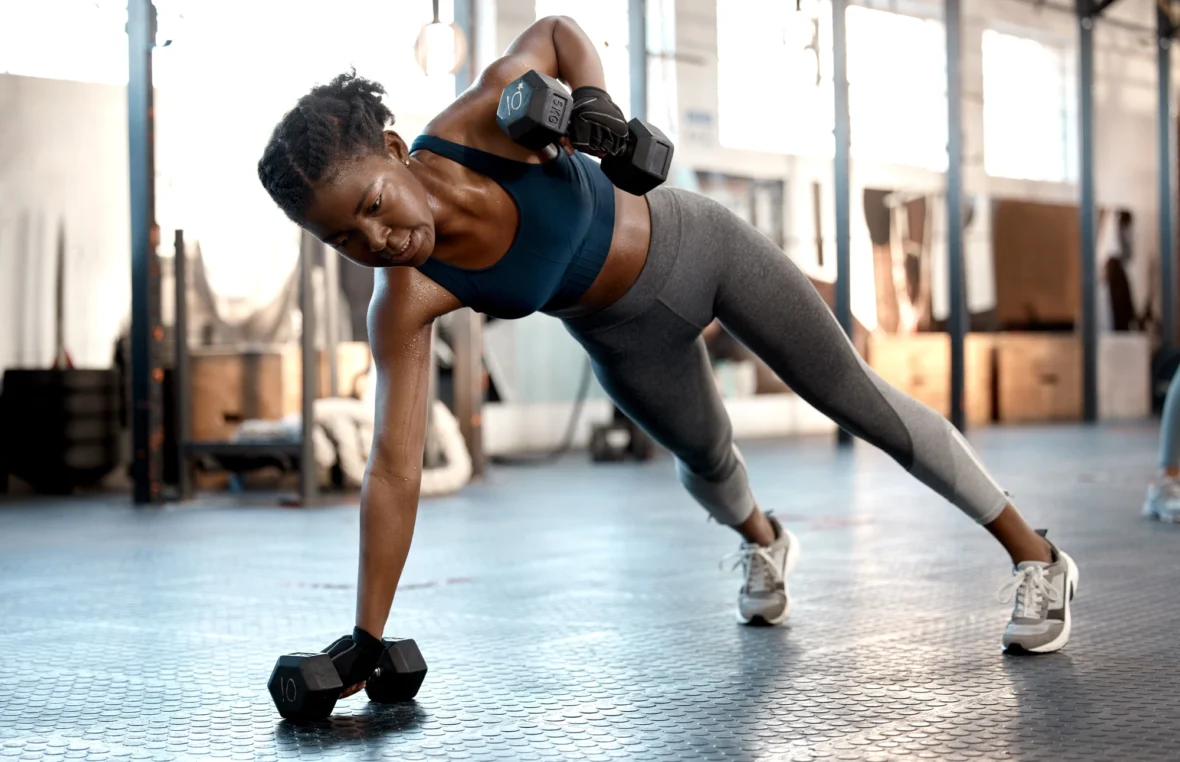
Effective strength training can take on different forms as well, ACSM points out — meaning anyone intimidated by traditional gym settings, or who prefers at-home workouts, using resistance bands or doing bodyweight movements will still see benefits in strength, hypertrophy, and physical function.
In a similar vein, keeping it simple can yield results as well. In their data review, ACSM experts found that training to fatigue or momentary muscle failure, using specific types of equipment (machines vs. free weights) or complex/varied/periodized training didn’t consistently impact outcomes for the average healthy adult.
“Training all major muscle groups at least twice a week matters far more than chasing the idea of a ‘perfect’ or complex training plan,” Phillips explained. “Whether it’s barbells, bands or bodyweight, consistency and effort drive results.”
The updated position arrives as strength training emerges as the top health priority for Americans this year, according to Life Time’s 2026 survey of members and non-members. ACSM’s focus on sustainable, long-term engagement in strength training also aligns with the rising focus on longevity as a key motivator for fitness goals.