D1 Training’s holistic approach prepares kids to thrive inside and outside athletics with purpose-built programming
Even among the industry’s youngest consumers, fitness and wellness demands are rising. Whether driven by the pursuit of skill development, a counterbalance to screen fatigue or parents simply wanting what’s best for their kids, the interest in youth athletics is currently at an all-time high.
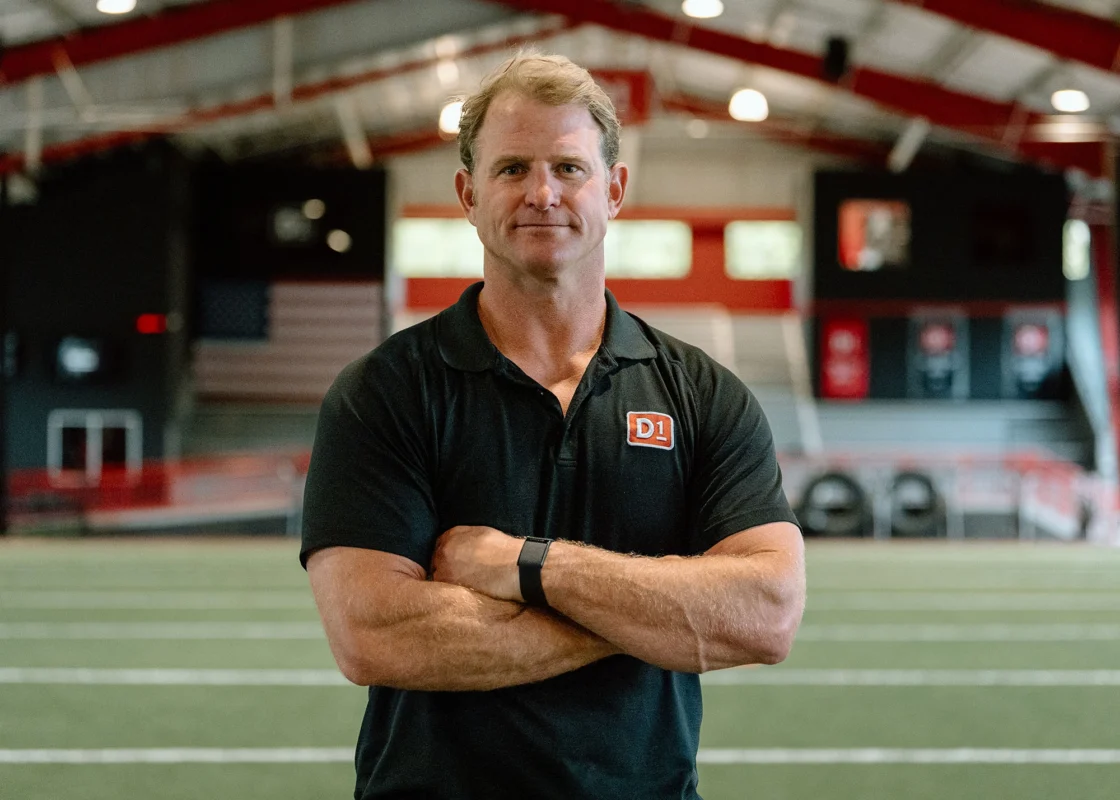
“The surge in youth performance and athletic training has been very visible in several ways,” said Clif Marshall, senior director of pro athlete training, D1 Training. “Over the past few years, more parents are seeking out structured programs for their kids — not just to help them excel in sports, but to build lifelong habits of strength, movement and resilience.”
D1 Training isn’t just moving in unison with these trends — it’s in front of them. As a gym franchise that’s hosted specialized training programs for younger individuals for 20+ years, D1 is well-positioned to meet these evolving demands.
“D1 was built on the idea that people deserve access to training that looks and feels like what you’d get at the collegiate or professional level — delivering a world-class training experience to athletes at all ages and levels,” said Will Bartholomew, founder and CEO of D1 Training. “That wasn’t about chasing trends; it was about solving a problem I knew firsthand: too many kids and adults were being left with cookie-cutter workouts that didn’t deliver results. I wanted to create a place where anyone could experience the same structure, discipline and science-backed approach I lived as an athlete.”
New Demands
Motivated by collegiate opportunities, the nature of sport, cultural shifts and more, youth sports are more competitive than ever, giving rise to early sports specialization and the “year-round athlete.”
It’s a phenomenon that’s changed expectations for kids and parents. Year-round play puts more stress on young athletes, making strength and conditioning essential and expected to keep them healthy, balanced and performing at an optimal level.
“They want more than just a workout — they’re looking for structure, expertise and a team-like culture,” said Marshall. “Parents want safe, age-appropriate training that develops strength, speed and confidence without the burnout of year-round sports.”
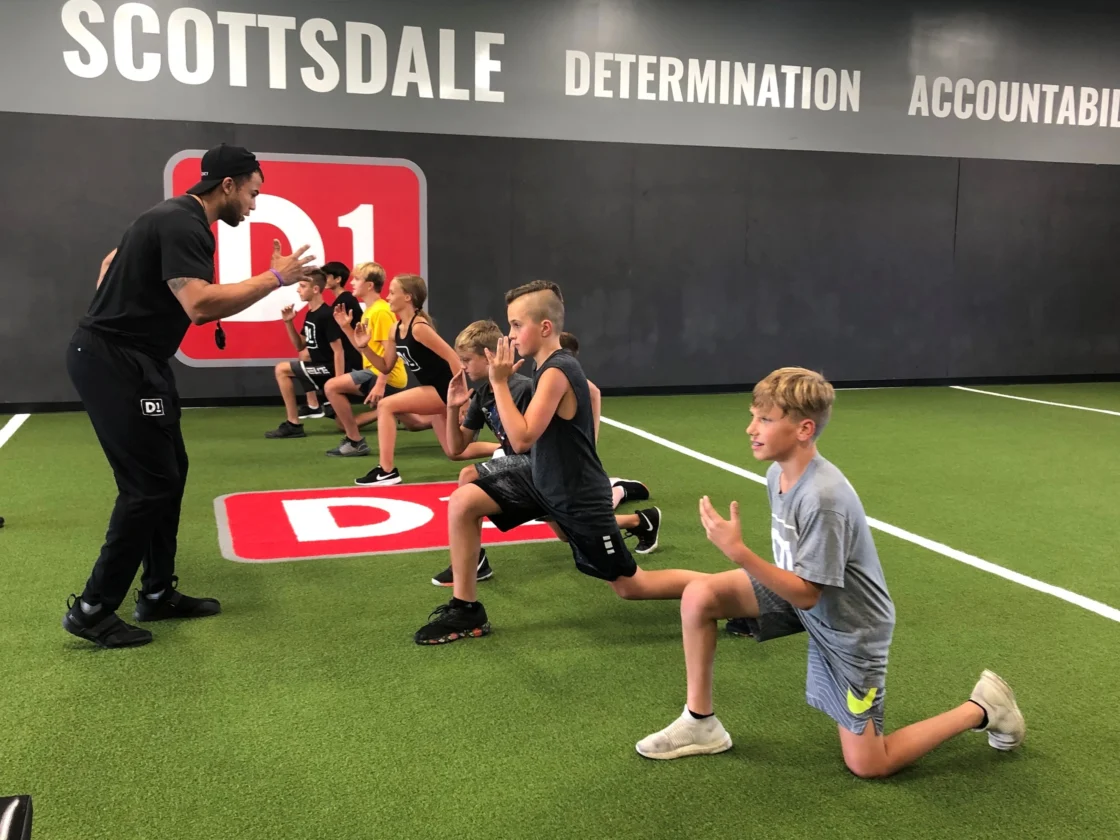
While D1 maintains a strong focus on youth training, it also welcomes adults, whose needs also mirror those of younger individuals.
“At the same time, more adults have realized they don’t just want to ‘go to the gym,’ they want to train with purpose, in an environment that pushes them and holds them accountable,” Bartholomew said.
“Adults are looking for training that combines performance with wellness — programs that improve mobility, reduce injury risk and support long-term health,” added Marshall. “Traditional gyms often provide access, but not guidance. Rec leagues offer competition, but not development. Families today are seeking holistic, coached environments where training, recovery and lifestyle all work together.”
The Right Offerings
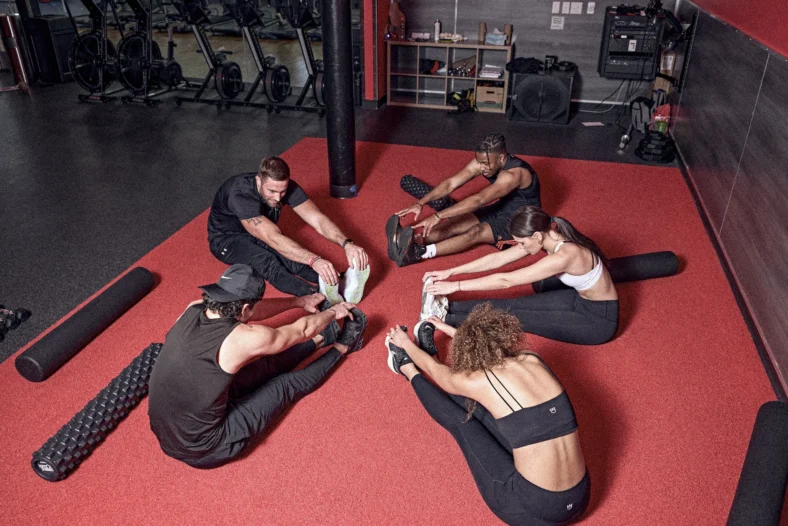
D1 Training meets these new demands with scholastic programs, featuring organized and gradual training based around a 12-month competitive calendar.
“Every kid’s schedule should include an off-season, preseason, competitive season and then postseason,” said Marshall. “Then, you build a plan around that schedule.”
What used to define luxury in fitness — once reserved for elite gyms or older consumers — comes standard for kids and teenagers at D1 Training facilities.
“It is critical to have a yearly plan for training, nutrition and recovery,” Marshall said. “The goal isn’t just to keep up — it’s to stay healthy, improve performance and extend careers in an environment where kids are being asked to do more at younger ages.”
A Future-Proof Franchise Opportunity
With no signs it will taper off, and with parents recognizing the value, Bartholomew argues youth athletics is a rare category that’s almost recession-proof. That makes this fitness franchising’s next great frontier.
“Even during economic downturns, parents prioritize their children’s development and well-being, whether that’s academics, sports or personal growth,” he said. “Performance training straddles two worlds: fitness and youth sports — which both hold a unique level of importance for households. Parents don’t see this as a luxury; they see it as an investment in their child’s confidence, health, resilience and potential to succeed on and off the field.”
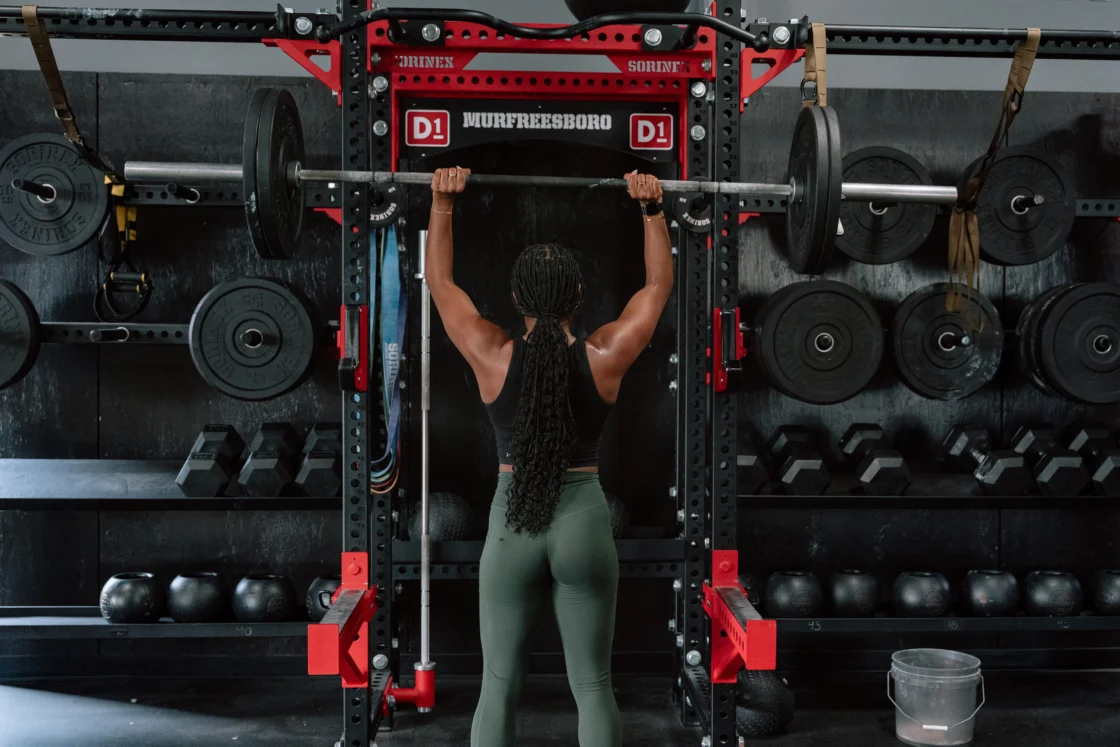
Even for those whose collegiate sports dreams remain just that, D1 Training will remain a hub that meets enduring demand.
“Not every child is going to or wants to be a Division 1 recruit, but every child benefits from discipline, teamwork, confidence building and learning how to push through challenges,” Bartholomew said. “In a day in age where kids are retreating more into the digital world on their screens, there’s a real value in that type of connection, community and skill building. Youth sports are also more competitive than ever, and parents recognize the edge professional-level training can provide, not just for winning games, but for preventing injuries and building lasting habits. That combination of practical benefits and emotional commitment makes this a category that’s incredibly resilient, even when other fitness concepts take a hit.”
Bartholomew argues the industry sector won’t just prevail, but soar into the future, ushering in more profitable franchising opportunities.
“We’re just scratching the surface of where this industry can go,” he said. “Parents are already more aware of the dangers of overuse injuries, early specialization and burnout, and they’re looking for smarter, safer ways to help their kids develop. Performance training fills that gap, and I believe you’ll see it become a non-negotiable for families who want their kids to build these lifelong healthy habits…As the space grows, we’ll continue to set the standard for what real training looks like.”
This article originally appeared in ATN’s Franchise Landscape 2025: Insights Into Fitness& Wellness Growth report, which explores how how boutique concepts, HVLP operators and multi-brand franchisors are reshaping the industry, from Pilates and barre studios to big-box gyms. Download the free report.