Whoop’s partnership engine is humming. Ferrari’s F1 team and Saudi soccer club Al Nassr are just the latest additions to a sports partnership portfolio that keeps growing
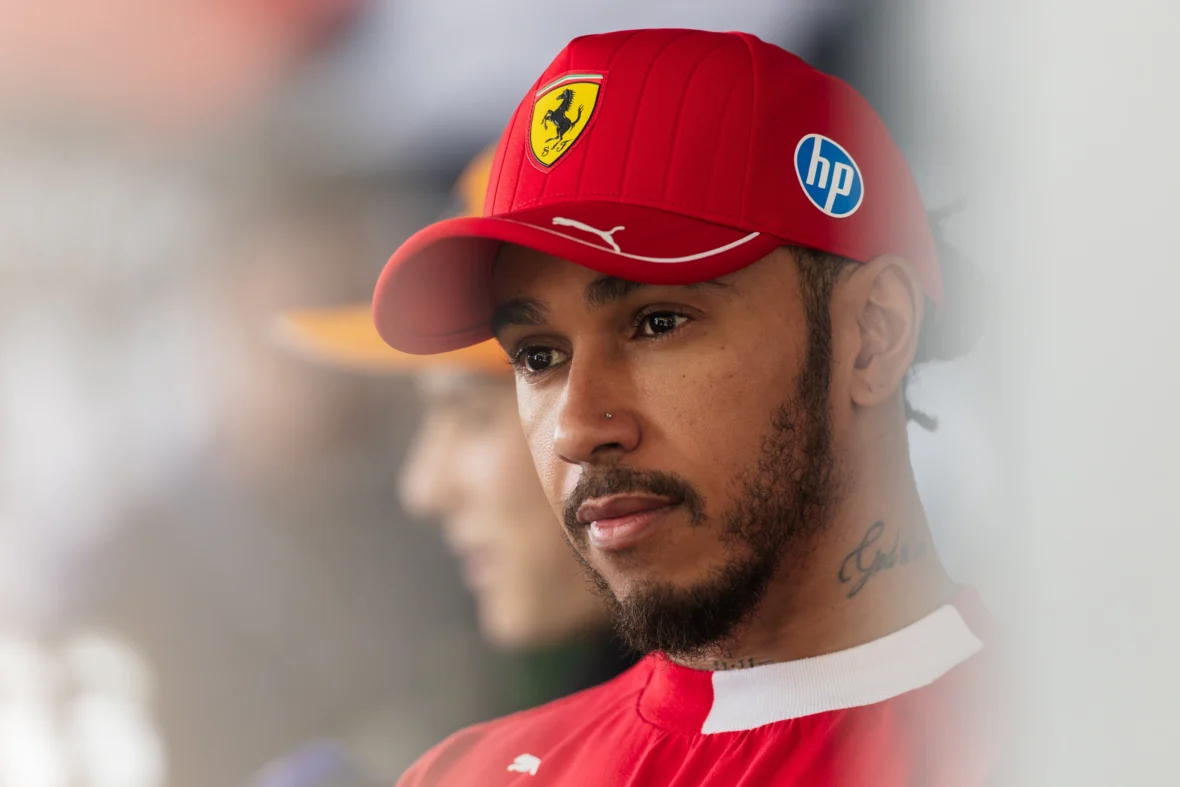
There’s a Whoop wearable on soccer star and wellness investor Cristiano Ronaldo’s wrist and now there will be one on Lewis Hamilton’s in Melbourne when the Formula 1 season kicks off, as part of a deal that makes the Boston-based company the official health and fitness wearable partner of Scuderia Ferrari HP.
The deal embeds Whoop wearables throughout the Ferrari F1 team, with the company’s Performance Science group working alongside Ferrari’s medical staff to optimize driver recovery, sleep and resilience.
A research paper will follow, Whoop said.
“Whoop and Scuderia Ferrari HP share the same obsession: performance at the edge,” Whoop founder and CEO Will Ahmed said. “Scuderia Ferrari HP has spent generations turning data and precision into speed. We’ve done the same for the human system. Bringing those worlds together is a natural fit and we’re proud to bring this expertise into Formula 1.”
It’s a partnership that goes deeper than a logo on the car, Whoop’s global head of human performance, Dr. Kristen Holmes, added, though Whoop will have that, too.
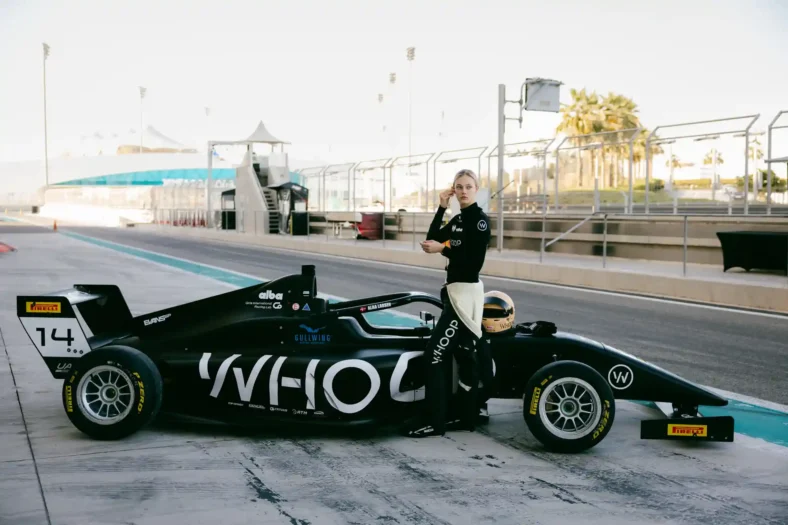
Earlier this month, Whoop also announced a three-year partnership with Alba Larsen, the 17-year-old Danish driver competing for Scuderia Ferrari HP in the FIA’s F1 Academy series.
But Whoop isn’t stopping at the racetrack. The company just announced a club-wide agreement with Al Nassr Football Club to support the Saudi Pro League side’s men’s team through the 2026 season. Similar to its Ferrari arrangement, Whoop will provide Al Nassr’s players and performance staff with real-time physiological insights.
Saudi Pro League player Ronaldo signed as Whoop’s brand ambassador and investor in 2024.

Not every sport has welcomed Whoop onto the field of play, though.
At January’s Australian Open, top-ranked players Jannik Sinner, Carlos Alcaraz and Aryna Sabalenka — a Whoop ambassador — were ordered to remove their devices before matches. Grand Slams currently prohibit wearables, a policy Whoop openly challenged, arguing athletes have “a fundamental right to understand their own performance and health — including during competition.”
On another front, Whoop is pushing well beyond the wrist — and even bigger ambitions.
Last fall, the company launched Advanced Labs, a blood testing platform developed in partnership with Quest Diagnostics that adds lab diagnostics. Members can upload previous bloodwork or schedule tests through the app, with clinician-reviewed results synced directly to their Whoop dashboard, covering everything from cholesterol and hormone health to blood glucose levels.
More than 350,000 Whoop members signed up for the waitlist before it even launched.
“For the first time, our members can see how their blood biomarkers and daily behaviors connect in real time,” Ahmed said. ‘This is all part of our path to becoming a health operating system.”
The moves come as the wearable market is heating up fast. Garmin this week forecast 2026 revenue of $7.9 billion, above Wall Street estimates. In particular, its fitness segment (which includes its wearable devices) jumped 42% in revenue in the fourth quarter of 2025.
The field is getting more crowded and specific. A team of former Tesla engineers is launching Fort, a screenless device built entirely for strength training that automatically tracks reps, velocity, range of motion and proximity to failure.