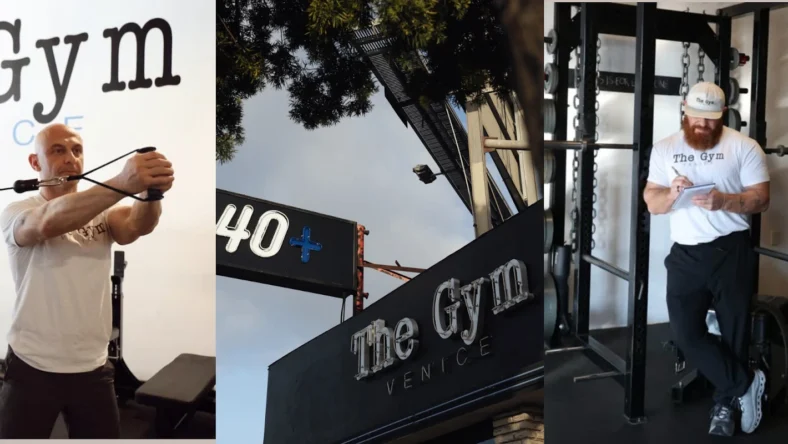
While most fitness brands focus on Gen Z, Los Angeles-based The Gym Venice is raising the standard for how older Millennials and Gen X train and remain strong
Millennials and Gen X’ers, this one’s actually for you.
In Los Angeles, a city that often chases the newest and the youngest trends, The Gym Venice is focusing on the athletes everyone else overlooks: the over-40 crowd training for longevity.
Described as a strength-training studio with a single (for now) Los Angeles location on Venice Blvd., The Gym Venice caters exclusively to adults over 40 and uses a proprietary Muscle Preservation Method built around joint-friendly progressions, foundational strength patterns and mobility training.
All coaches are Certified Functional Aging Specialists, trained specifically to work with bodies that have lived a little, a contrast to the high-value, low-price (HVLP) gym brands that are in a full sprint toward Gen Z, overlooking the stability and spending power of the over-40 consumer.
The Missed Market
The Gym Venice founder Kris Herbert said the missed opportunity is more evident than most gyms admit.
“It comes down to two things,” he told ATN. “Working with younger, already-fit people is easy, and it performs well on social media. You don’t have to navigate the effects of aging or higher injury risk, so many gyms gravitate toward what’s easiest to market rather than what’s most meaningful.”
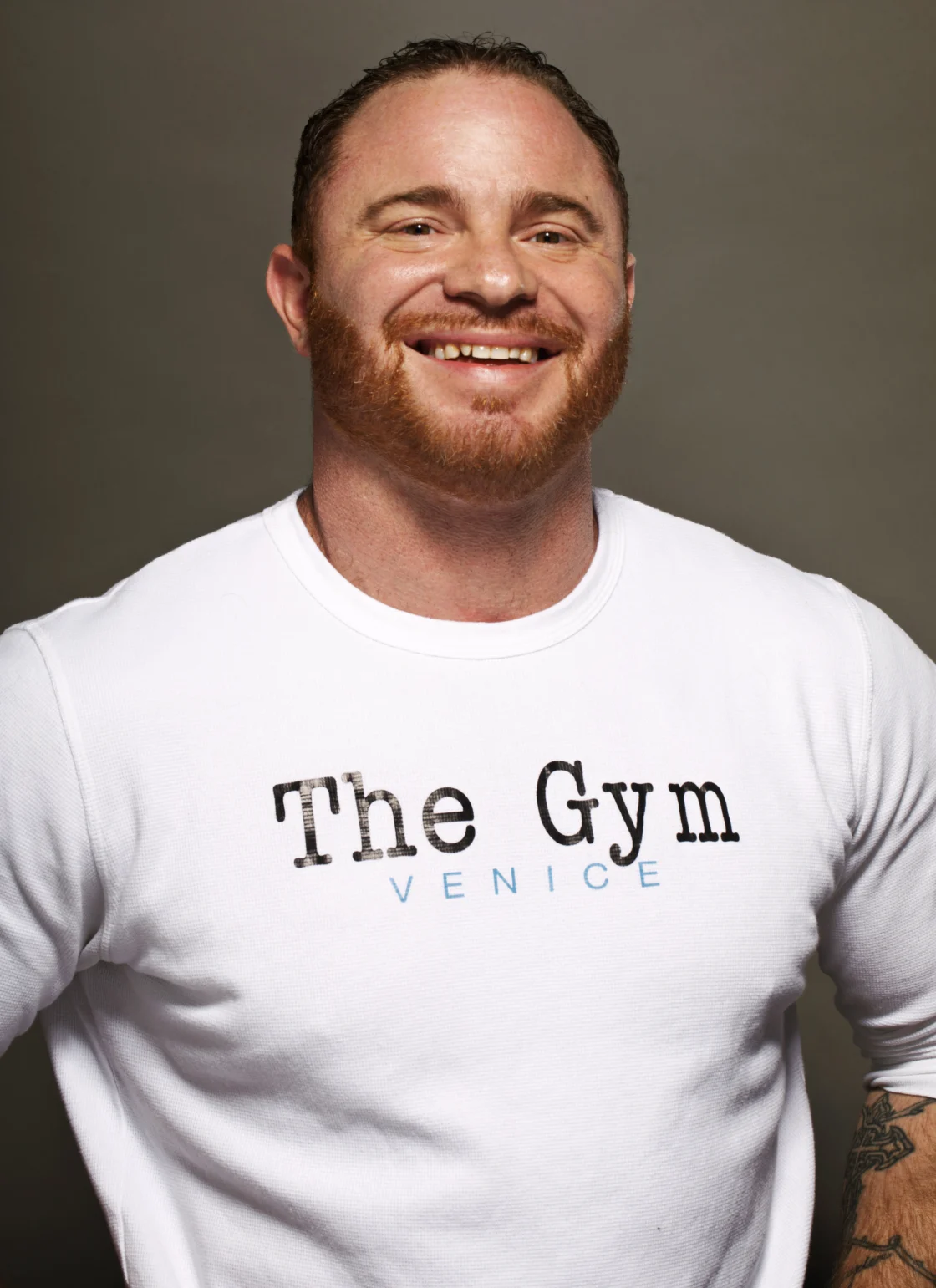
Herbert built the original space for himself and his powerlifting circle, but discovered that the people progressing most consistently were adults in their 40s and 50s who other gyms had overlooked. At the same time, it demonstrated a clear opportunity to serve a demographic most gyms ignore.
“Years of sedentary habits, muscle loss and movement limitations make this demographic more complex, which leads a lot of trainers to shy away from the challenge,” he said. “This is exactly the population we love working with. The impact goes far beyond aesthetics—our clients improve their healthspan, change habits and live fuller, more purposeful lives.”
How the 40+ Focus Emerged
General manager Ed Gemdjian said the shift happened naturally, with the data speaking for itself.
“Kris quickly realized that the same strength principles that helped him thrive in powerlifting worked remarkably well for everyday people, especially adults over 40,” he said.
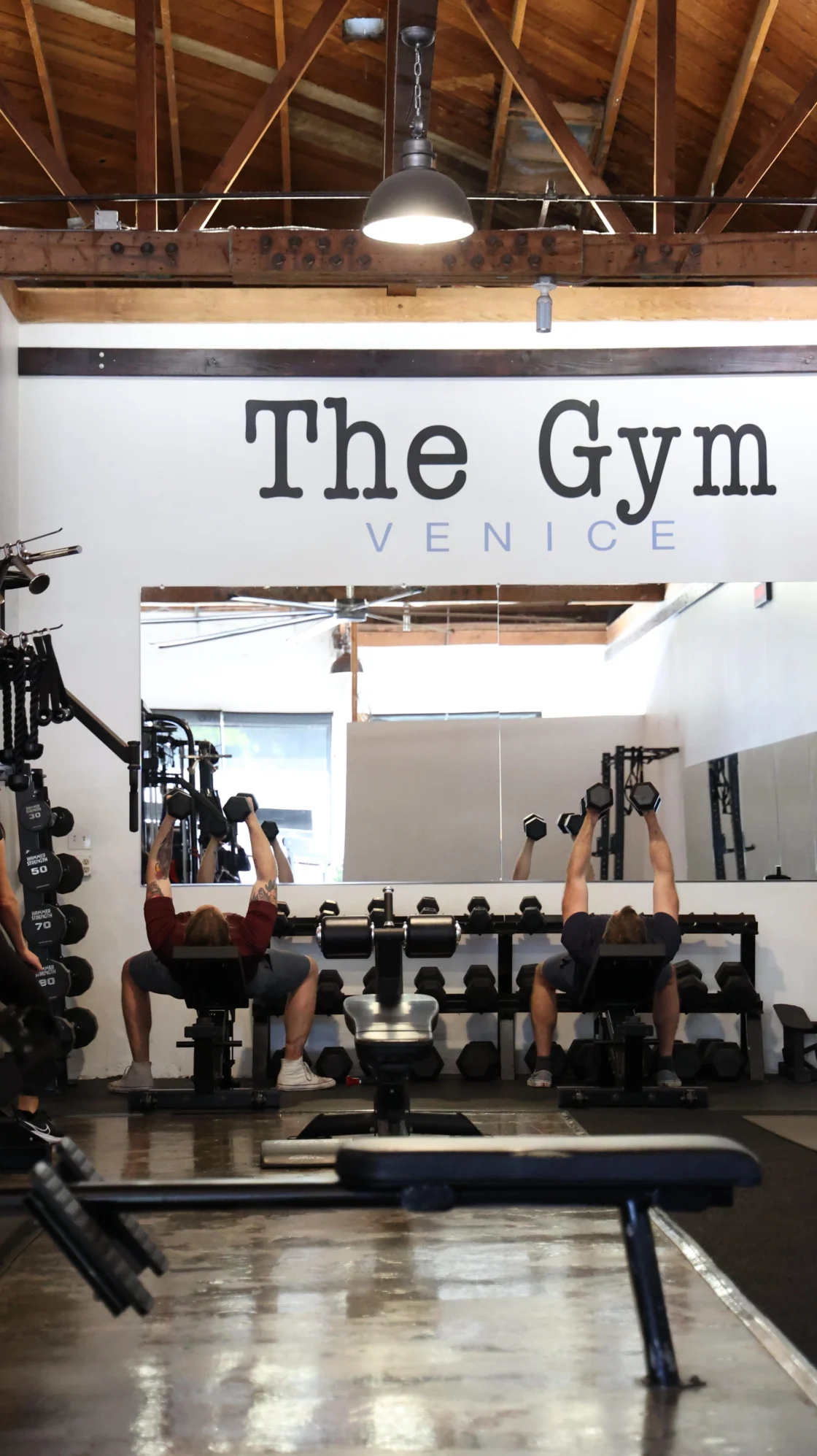
Over time, Gemdjian said they examined who they were helping most and how consistent those clients were with their progress, and it quickly became clear that the 40-and-over crowd was not only underserved but also where they could make the most significant impact.
“Programming is still rooted in progressive overload, but with more attention to where each person is starting,” he explained. “Progressions, regressions, recovery and pacing all matter more as we age.”
It’s something even highlighted in recent data from smart home gym brand Tonal, which revealed in its State of Strength report that Boomers are training 37% more than Gen Z on Tonal equipment while keeping pace in strength and power.
The Post-Holiday Trap
The need for a proper training structure only intensifies during the post-holiday rush when many adults try to reclaim lost momentum, and Herbert sees the consequences of doing too much too quickly.
“The biggest mistake is trying to get everything back at once—jumping from little or no activity to six or seven intense workouts a week,” he said. “That usually leads to burnout, soreness, or injury, which kills consistency before progress can happen.”
He also warns against relying heavily on high-intensity regimens such as HIIT, boot camps, or cardio-style classes.
“These can play a role, but they’re not the most effective or sustainable way for adults over 40 to rebuild strength and metabolic health,” he said, advocating instead for progressive strength training, steady-state cardio, good nutrition and consistent lifestyle habits.
“Research shows that as we age, recovery demands go up while the need for resistance training and steady, sustainable conditioning becomes more important,” he added.
Strength After 40 Works Differently
Gemdjian said the physiological realities after 40 are widely misunderstood and can serve as a wake-up call.
“After 40, strength training becomes less about gaining muscle and more about preserving the muscle and strength you already have,” he said.
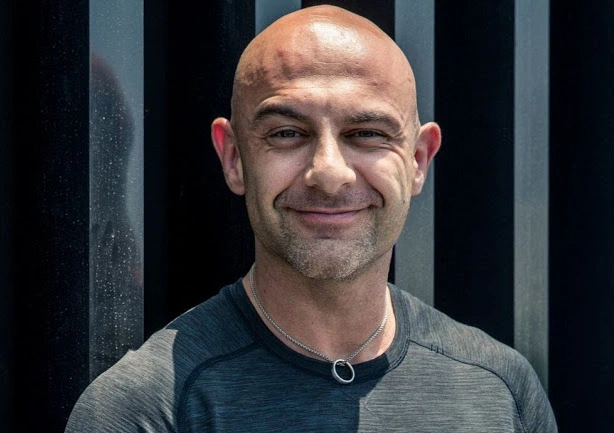
Muscle mass, power and coordination decline faster, often without people noticing, he said.
“The solution isn’t avoiding heavy lifting, it’s actually incorporating it safely and appropriately,” Gemdjian said, advising that multi-joint compound movements are the most effective way to maintain strength, bone density, balance and metabolic health.
“When you do that, adults over 40 can continue improving for decades,” he said.
Community That Works
The social side of training also looks different with an older crowd, which gym operators and trainers should keep in mind.
“Community matters at every age, but after 40, it shifts,” Herbert said. “People tend to care less about having a large social circle and more about having meaningful, supportive relationships—people who understand what they’re going through.”
He said at The Gym Venice, clients see others navigating the same challenges and working toward similar goals, creating a shared experience that builds connection and accountability.
“We build community on purpose by keeping the environment intimate, offering high-quality coaching and creating a culture where people encourage each other,” he said. “It keeps people consistent, and consistency is what creates real change.”
Purpose Over Aesthetics
Gemdjian noted that motivation evolves, too.
“For most people over 40, motivation shifts away from aesthetics and competition and becomes more about longevity—what we call healthspan,” he said, adding that strength takes on a more practical purpose.
“Instead of chasing a PR, it’s being able to hike without fear of injury, travel comfortably or pick up grandkids with confidence,” he said. “The goals become more functional and more meaningful.”
For adults over 40 entering The Gym Venice, the starting point is a $99 on-ramp that includes a full body composition scan, three 50-minute training sessions and a custom plan. Ongoing training comes in either 1-on-1 or 2-on-1 formats. Solo sessions run $175, with package rates dropping to $145. Partner sessions start at $250 and scale down to $200 with larger commitments.
What Comes Next
Looking ahead for The Gym Venice, expansion is underway in several ways.
“We’re excited about the future,” Herbert said. “While we’re actively exploring potential new locations in Los Angeles and beyond, we’re also expanding what we offer.”
Herbert said one major initiative is to develop a functional medicine and preventive health team to support clients holistically for their overall wellness and longevity.
“We’re also building a stronger online training presence for people who can’t see us in person or who travel frequently,” he said. “This allows us to offer the same programming principles and accountability that make our in-person experience so effective. These projects are already in motion, and you’ll see many of them come to life in the near future.”