
The low-price gym giant has a lot of competition in the HVLP gym race, but it’s keeping its foot on the gas pedal under new CEO Colleen Keating
Planet Fitness opened 181 new locations in 2025, pushing its global footprint to nearly 2,900 clubs and its total membership to roughly 20.8 million, according to newly released year-end metrics.
The metrics arrive just weeks before the low-price gym giant reports full-year results and its 2026 outlook on Feb. 24, offering an early read on momentum.
Additionally, same-club sales were up 6.7% in 2025, proving this isn’t just about planting more flags. Members are showing up.
“We delivered strong results in 2025 and exceeded the key growth objectives we outlined at the start of the year,” Planet Fitness CEO Colleen Keating said, pointing to franchisees adding more strength equipment, record participation in the company’s High School Summer Pass program and a shift in marketing dollars to accelerate member growth in 2026.
She added that Planet Fitness has entered the new year “well-positioned” to meet rising demand, supported by its judgment-free, affordable approach.
The Budget Gym Arms Race
Of course, Planet Fitness isn’t the only brand leaning into the high-value, low-price (HVLP) model. Competitors like Crunch Fitness, EōS Fitness and PureGym are also accelerating expansion, opening large-format clubs and targeting value-driven consumers.
PureGym, in particular, is turning up the heat in the Northeast. After acquiring Blink Fitness in a $121 million deal last year (and beating out a last-minute bid from Planet Fitness), the European HVLP giant has since rebranded and significantly invested in upgrading 56 former Blink locations across New York and New Jersey. The rollout effectively drops PureGym into direct competition with both Planet Fitness and Crunch in some of the country’s most densely populated markets.
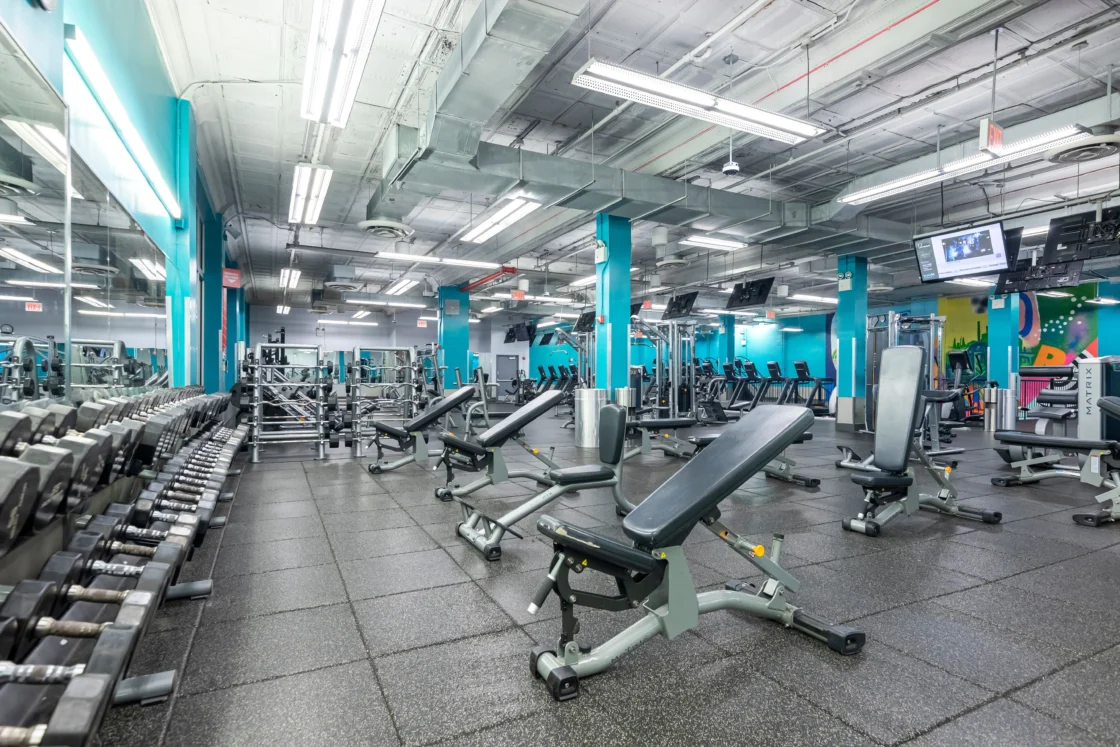
Crunch Fitness is taking a similar tack, but with a heavier emphasis on experience. The HVLP brand, which now counts more than 500 locations and three million members worldwide, is rolling out upgraded strength floors, Relax & Recover zones with compression and infrared and AI-powered tools that help trainers personalize programs. One Crunch location, set to open in McKinney, Texas, will even feature a dedicated Reformer Pilates studio.
In 2025, EōS Fitness made one of the boldest moves in the category. The HVLP chain acquired 23 Gold’s Gym locations in Southern California, instantly expanding its footprint by nearly 20% and giving it a dominant position in one of the most competitive fitness markets in the country.
The Refresh Effect
For franchisees, reinvestment is proving to be just as important as expansion. Taymax Group’s recent $7 million reinvestment across four Nashville-area clubs shows how even targeted upgrades can drive engagement. At one remodeled location, member check-ins jumped 38% in the first six months.
Corporate-owned chains aren’t standing still, either. Vasa Fitness is putting $30 million toward sweeping upgrades across its 64 gyms. The Colorado-based chain has dubbed its approach a “mall of fitness” model, blending premium big-box amenities with boutique-style studio classes under one roof.
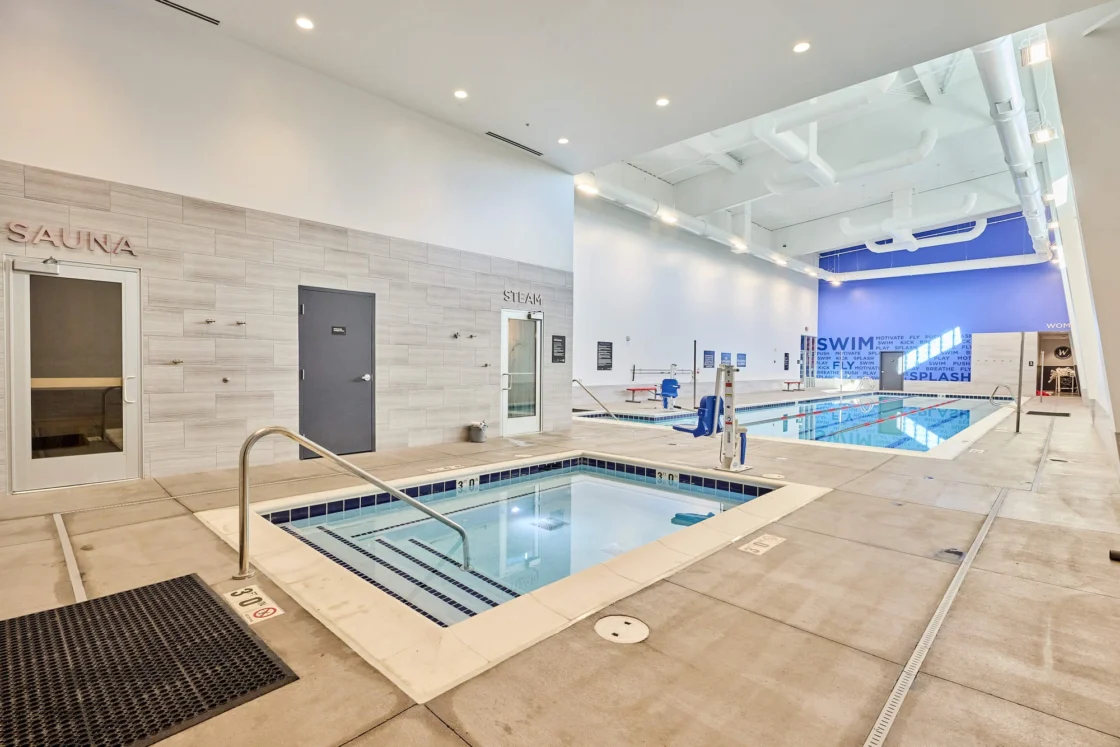
The investment, set to be completed by the end of Q1 2026, includes more than 1,000 new machines and a major push into small-group training. Vasa plans to roll out over 30 new Studio LFT strength-training spaces and more than 10 infrared yoga rooms, while continuing to expand its existing HIIT and heart rate-based formats.
“We’re raising the bar on what members can expect from a high-value, low-price fitness club,” Vasa Fitness CEO Rich Nelsen said, pointing to the chain’s move to deliver boutique-style programming and upgraded equipment while keeping memberships affordable.