Once a boutique niche, Pilates is now influencing a sweeping industry transformation, and iFIT is ushering in the change
Pilates existed for decades at the intersection of strength, stability and mindfulness, becoming a quiet constant in the world of movement. But today, as the global fitness industry accelerates toward a tech-driven, data-rich future, it’s no longer the serene outlier. It’s influencing equipment design, how members move and how operators think about their gym floors.
As we approach 2026, Pilates sits at the heart of a wider shift that prioritizes intelligent, integrated and thoughtfully-engineered equipment over brute strength and heavy steel.
Boutique Origins to Connected Ecosystems
The post-pandemic years reshaped the fitness landscape. Hybrid training models, wellness-led consumer behaviour and the rise of at-home performance tech forced brands to rethink what “equipment” truly means. Pilates, once confined to small studios, became a testbed for this change.
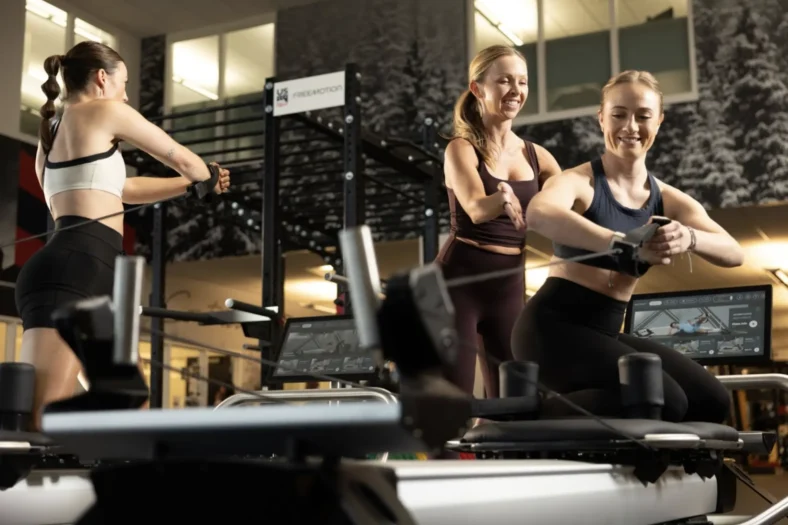
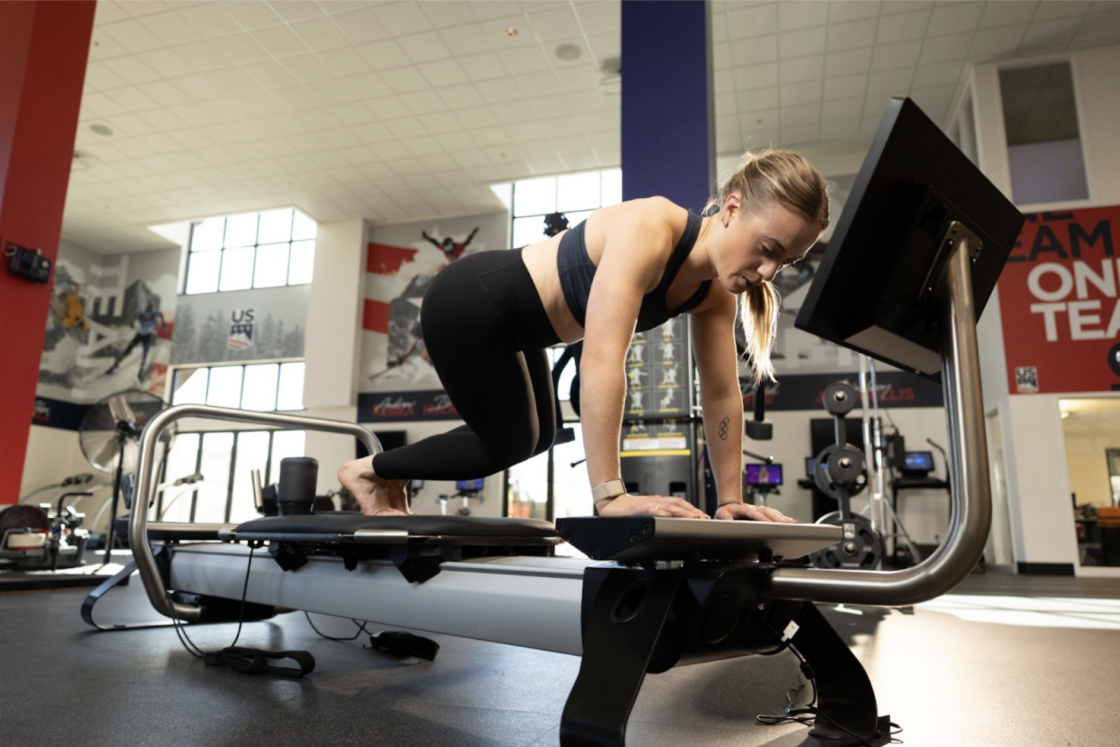
When iFIT acquired Reform RX, a connected reformer company bridging traditional Pilates with modern technology, it signaled something much bigger. Beyond defining a new category, the brand aimed to unite Pilates with other training modalities through a connected ecosystem, expanding access, diversity and the way people experience movement. The modern reformer now shares the same DNA as a treadmill or bike: smart resistance, adaptive feedback and personalized programming.
For Freemotion, part of the iFIT family, this evolution reflects a wider truth. Fitness equipment is no longer about isolated machines. Instead, the brand argues it’s about connected experiences that guide, measure and motivate across every modality.
Precision Over Power
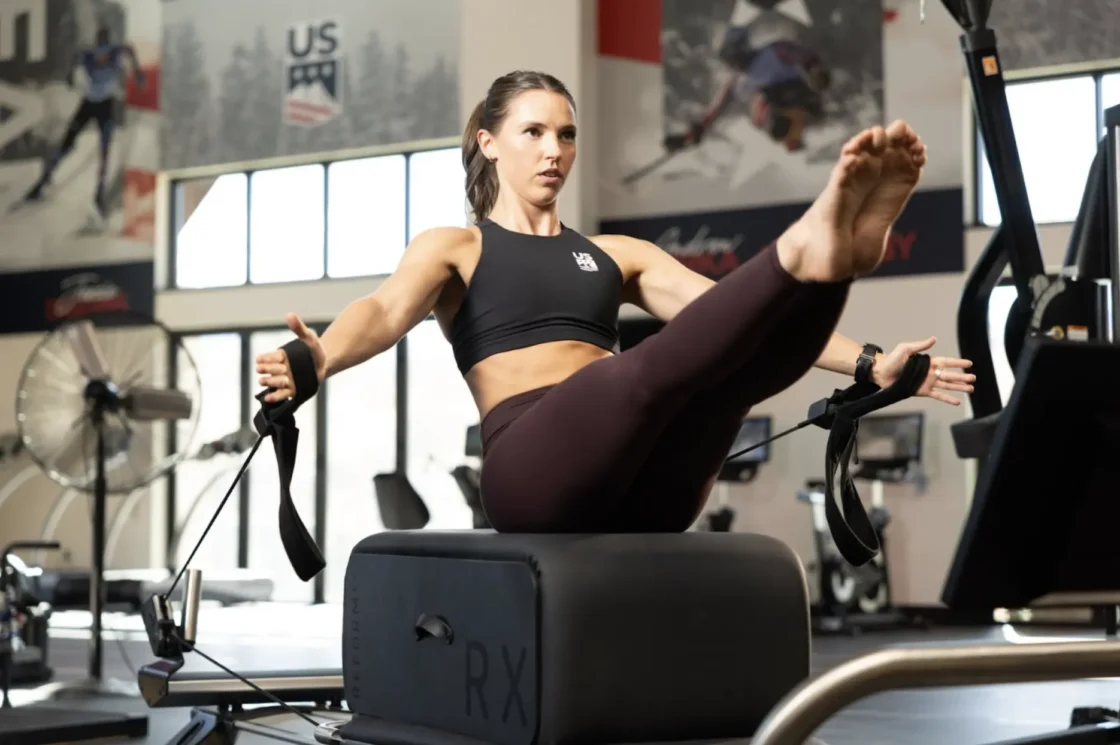
iFIT sees 2026 as the year where performance will meet precision. The industry’s obsession with maximal output is giving way to biomechanical intelligence and equipment that moves with the body, not against it.
Pilates, however, got into that before anyone else. Each movement demands controlled engagement, symmetrical loading and an understanding of how small adjustments transform results. Modern smart reformers build on that heritage, layering in motion sensors, AI-driven form correction and resistance profiles that adapt in real time.
There’s already evidence suggesting gym operators have noticed this. While reformers were once niche, high-maintenance studio assets, they now resemble profitable, data-connected tools that attract wellness-focused members and broaden a facility’s demographic.
Smarter, Smaller, & More Sustainable
Beyond technology, design innovation is transforming what we expect from equipment. iFIT predicts that 2026 will feature a rise of modular, space-efficient and sustainable systems, a trend directly influenced by Pilates’ minimalist ethos.
iFIT reports that manufacturers are investing in recyclable materials, quieter mechanical systems and sleeker footprints that allow operators to deliver more value per square meter. It argues the aesthetic shift matters too: wellness consumers expect their fitness environments to look as good as they feel. Pilates equipment, with its understated form and tactile finishes, is influencing the broader design language of premium fitness spaces.
The Integration Era
The most forward-thinking operators now see equipment as a living ecosystem, not a collection of machines.
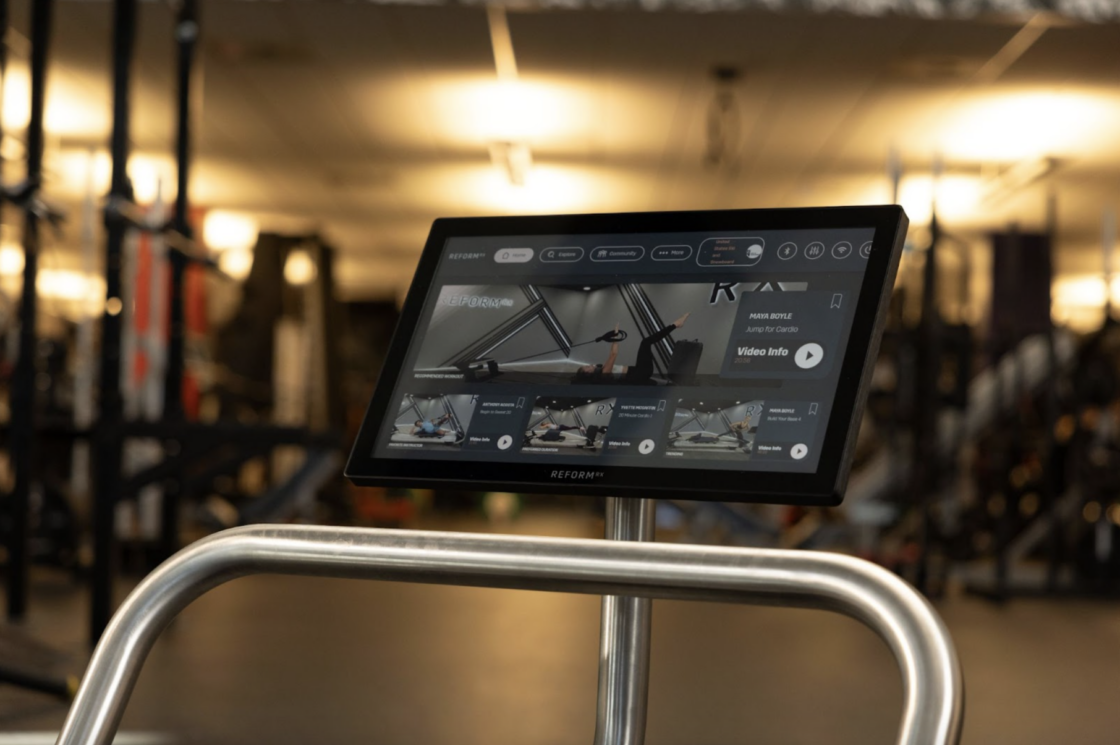
Through its unified digital platform, iFIT envisions a world where members warm up on a Freemotion treadmill, transition into a Pilates-based recovery sequence and finish with guided stretching, all tracked, coached and stored within one connected experience. That continuous movement, data and insight represent the direction the industry is heading, and what tomorrow’s operators will compete on.
The New Performance Economy
In terms of the performance economy, iFIT also claims value will no longer be measured by weight stacks or speed settings, but by how intelligently equipment adapts to individuals in 2026.
iFIT predicts future machines, from reformers to dual cable systems, will fuse biomechanics, AI and human-centred design to create training experiences that are as intuitive as they are effective.
For operators, that means more than upgrading their gym floor. It means rethinking programming, retention and revenue around a member journey that values longevity, mobility and mastery as much as transformation.
Movement, Redefined
Pilates may have started as a quiet discipline built on breath and control, but as the industry moves into an era of intelligent integration, its principles are guiding some of the most advanced fitness innovations on the market.
The 2026 forecast is not just about what equipment looks like; it is about how it feels, how it learns and how it connects us back to the essence of movement. In that sense, Pilates is not just part of fitness’ future. It’s defining it.