
Using a deep-learning artificial intelligence model, researchers have discovered a first-of-its-kind biomarker of chronic stress, which could have widespread application for medical providers
Researchers have just uncovered the first biomarker of chronic stress in findings driven by a deep-learning AI model.
The breakthrough research, presented at the annual meeting of the Radiological Society of North America, emerged after scientists developed and trained a deep learning model to measure adrenal gland volume on CT scans.
“For the first time, we can ‘see’ the long-term burden of stress inside the body, using a scan that patients already get every day in hospitals across the country,” said senior author and professor of radiology at Johns Hopkins, Dr. Shadpour Demehri.
“Until now, we haven’t had a way to measure and quantify the cumulative effects of chronic stress, other than questionnaires, surrogate serum markers like chronic inflammation, and cortisol measurement, which is very cumbersome to obtain,” Demehri added.
Chronic stress is known to take a major toll on mental and physical health, leading to symptoms such as insomnia, muscle pain, high blood pressure and a weakened immune system, while increasing risk for heart disease, depression and obesity.
While single cortisol measurements can provide insight into stress levels, researchers point out that these are momentary snapshots. Measuring the size of the adrenal glands on top of the kidneys, which regulate the body’s stress response, however, can be a more reliable biological barometer of chronic stress.
“Our approach leverages widely available imaging data and opens the door to large-scale evaluations of the biological impact of chronic stress across a range of conditions using existing chest CT scans,” said lead author Dr. Elena Ghotbi. “This AI-driven biomarker has the potential to enhance cardiovascular risk stratification and guide preventive care without additional testing or radiation.”
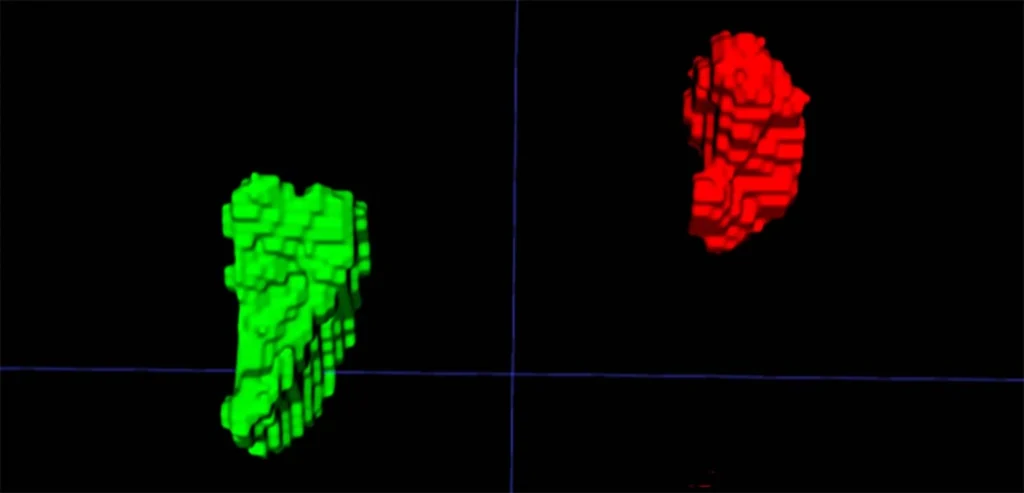
How It Works
Researchers applied the AI model to data on 2,842 participants from the Multi-Ethnic Study of Atherosclerosis, a comprehensive study comprising chest CT scans, validated stress questionnaires, cortisol measures and markers of the cumulative physiological and psychological effects of chronic stress on the body (known as allostatic load).
Using the Adrenal Volume Index (AVI) to assess the size of adrenal glands, researchers discovered that higher AVI was associated with greater cortisol, peak cortisol and allostatic load, as well as higher perceived stress by the participants.
Increases in AVI were also linked to a greater risk of heart failure and mortality.
Why It’s Important
“What makes this work so exciting is that it links a routinely obtained imaging feature, adrenal volume, with validated biological and psychological measures of stress and shows that it independently predicts a major clinical outcome,” said study co-author and professor of epidemiology at UCLA Teresa E. Seeman. “It’s a true step forward in operationalizing the cumulative impact of stress on health.”
The study authors indicate that this new AI-driven approach could give clinicians a quantifiable, practical method to measure chronic stress, especially with such a routine, widely performed scan. They also noted that the imaging biomarker could be used in a variety of diseases often associated with chronic stress in middle-aged and older adults.
“This is the very first imaging marker of chronic stress that has been validated and shown to have an independent impact on a cardiovascular outcome, namely, heart failure,” Dr. Ghotbi added.
AI is only becoming more common in the fitness and wellness world, as brands look to leverage the tech to offer new health insights: the Numa Pendant uses AI to track emotional health, and Lumin’s new AI-powered personal trainer provides workout guidance in real-time.