A silhouetted person balances in tree pose on a beach at sunset, with palms in prayer overhead as the sun sets over the ocean.
credit: Robot Photo on Unsplash
Gallup finds women see the greatest stress relief from regular exercise, signaling a growing opportunity for gyms and studios focused on consistency and community

Just 30 minutes of exercise every day (or nearly every day) is linked to lower reported stress among U.S. adults, according to new Gallup findings.

The data offers even more encouraging news for women, who appear to show a significantly stronger link between frequent exercise and stress reduction than men.

The findings, which is part of Gallup’s ongoing National Health and Well-Being Index, is based on 16,946 U.S. adult Gallup Panel members surveyed over the first three quarters of 2025.

More than half (56%) of women who did not exercise at all over the prior seven days reported experiencing stress the day before. That figure drops to 51% among women who exercise once or twice a week, 47% among those exercising three to five days and 45% among those exercising six to seven days, Gallup found.

Overall, women who exercise nearly every day are about 20% less likely to report daily stress than those who don’t exercise at all. By contrast, the stress-reduction effect is far less pronounced among men, while across all adults, frequent exercise is associated with a 14% lower risk of daily stress.

The findings come amid persistently high stress levels among U.S. adults, even as only a small share exercises consistently. Just 13% of adults say they exercised for at least 30 minutes on six or seven days the prior week, while more than a quarter report not exercising at all.

While exercise is linked to lower stress across all age groups, Gallup’s data shows the strongest differences between women and men appear at the youngest and oldest ends of the age spectrum.

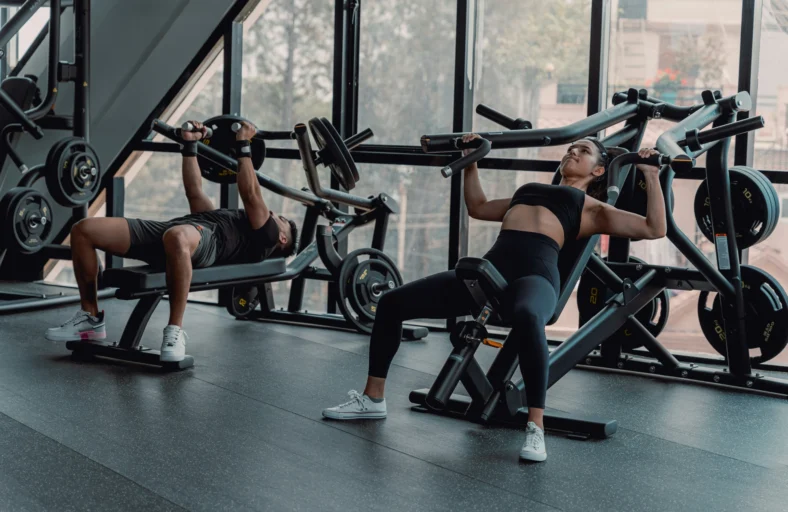
credit: Bruce Mars on Unsplash

Among women ages 18 to 44, reported daily stress appears to drop sharply with frequent exercise, falling from 68% among non-exercisers to 54% among those who exercise nearly every day, roughly double the reduction seen among men in the same age group.

For women ages 65 and older, the likelihood of experiencing daily stress declines from 39% to 27% with frequent exercise, while stress levels among older men remain largely unchanged. By contrast, the relationship between exercise and stress looks far more similar for men and women in the middle years, among adults ages 45 to 64.

Gallup notes that biological, social and lifestyle factors may also play a role. Exercise’s effects on mood-regulating hormones, sleep quality and social connection (particularly through group or community-based workouts) may amplify its stress-reducing benefits for women. Meanwhile, older men, who report lower stress to begin with and may engage in more solitary or medically directed activity, appear to see fewer mental-health gains from increased exercise.

Takeaways for Gyms & Studios

For the fitness industry, Gallup’s findings demonstrate an opportunity to promote movement as a stress-management tool, particularly for women.

And with exercise delivering its strongest mental-health payoff among younger and older women, gyms and studios may benefit from programming that prioritizes accessibility and community over intensity alone. Formats such as group classes and socially-driven experiences may resonate most, especially at a time when nearly half of U.S. adults report experiencing daily stress.

The industry is already seeing this play out in member behavior. Separate data from ABC Fitness shows that social connection is now one of the primary reasons consumers join gyms and studios. Brands such as CrossFit have long argued that sustained behavior change (and the mental resilience that comes with it) is built through shared effort rather than isolated workouts. Meanwhile, competitive community events like Hyrox, Ironman and Spartan races have exploded in recent years, fueled by people chasing shared goals.

The trend is also showing up in the rise of experience-driven group formats that blend fitness with fandom. Concepts like Swiftie Liftie, a full-body, rhythm-based workout that combines strength and cardio and incorporates Taylor Swift’s music, have sold out classes and are now planning multi-city tours, proof that shared interests can lower barriers to entry and keep people coming back.

Tags: