In partnership with the Sleep Cycle app, Ultrahuman’s new feature set can detect snoring, coughing and breathing disturbances during sleep using audio analysis
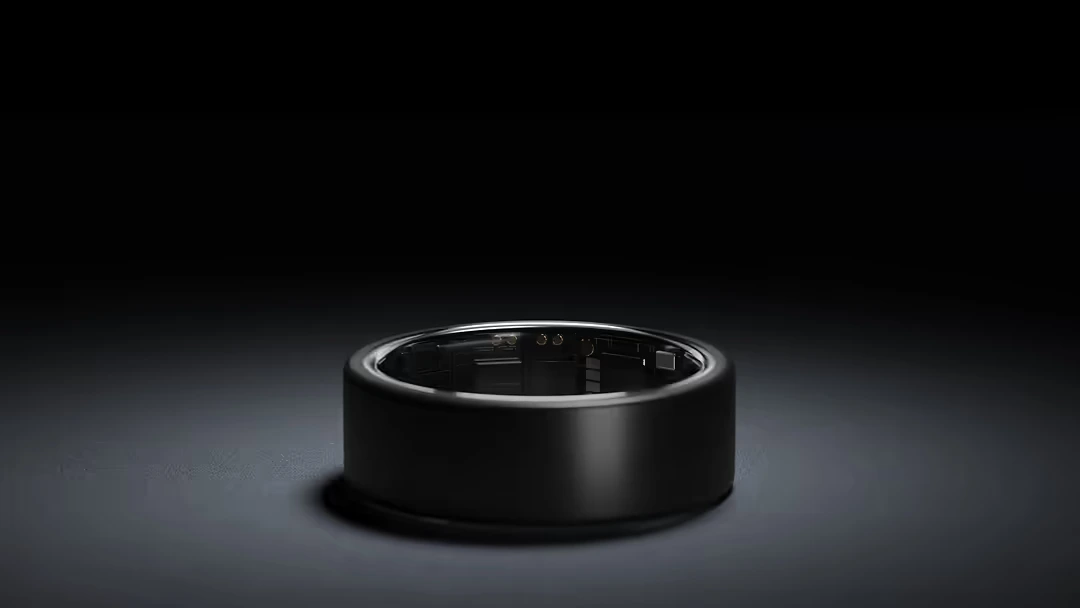
Ultrahuman is broadening the health capabilities of its Ring Air smart ring with the launch of a new Respiratory Health PowerPlug, developed in partnership with Sleep Cycle.
The update brings on-device audio analysis to the Ring Air, allowing it to detect snoring, coughing and breathing disturbances during sleep, and then align each event with key metrics such as heart rate variability, resting heart rate and sleep stages to show how respiratory stress fragments sleep and affects recovery.
Users can see whether breathing disruptions are becoming more frequent and how they coincide with sustained changes in recovery metrics, offering a clearer picture of longer-term physiological strain. All audio processing happens locally on the device, and recordings remain private to the user and can be deleted at any time.
The new service costs $4 per month.
Habitual snoring has been linked to up to a 46% higher risk of stroke, and roughly one third of regular snorers may have undiagnosed obstructive sleep apnea. Women, meanwhile, snore nearly as much as men but are significantly less likely to report it, contributing to lower diagnosis rates and delayed intervention.
As the smart ring market continues to boom, the new updates point to a broader effort to connect sleep, respiratory and metabolic signals across platforms and over time, rather than treating them as isolated datapoints.