The wearable giant is bringing its continuous monitoring data to Mira users, who will be able to put symptoms like fatigue, poor sleep and stress in the context of hormonal fluctuations
While health metric tracking and biomarker monitoring continue rising, so does the increased demand for enhanced women-specific care and prioritization among major wellness brands.
At the center of that conversation is women’s hormonal health, with wearable giant Oura being the latest to boldly declare its importance in a new partnership with hormonal health company Mira.
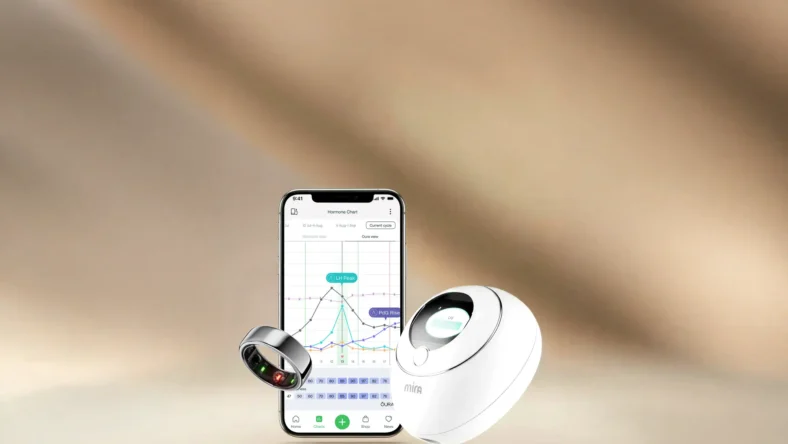
Integrating continuous monitoring data from Oura Rings into its lab-grade hormone testing, Mira users can view sleep, readiness and temperature trends from their wearables directly alongside their hormone data in the Mira app.
“More women than ever track health metrics like sleep, stress, activity, strain, but rarely have the tools to see the real reasons behind their symptoms,” said Mira founder and CEO Sylvia Kang.
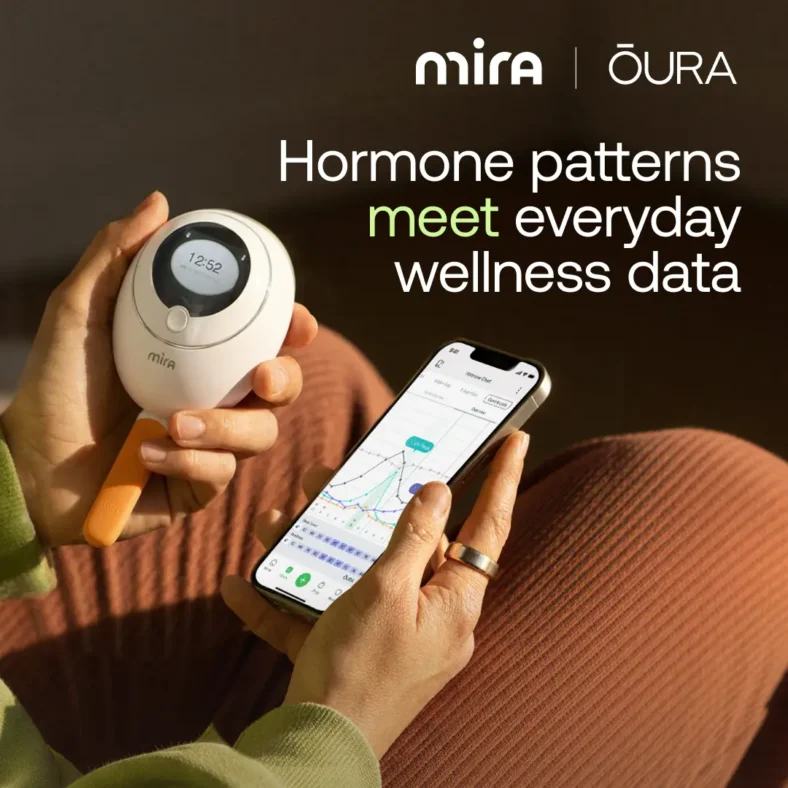
While 77% of women believe regular biometric tracking through wearables and health monitors can help prevent future health issues, according to Mira’s recent survey of 2,000 women, many are lacking the hormonal context to understand what the data means.
“With this integration, we’re connecting hormone data with daily health signals, giving women insights they can act on,” King continued. “Understanding these patterns can change how women manage fertility, navigate perimenopause, or address hormonal imbalances.”
The integration can help women navigate the various hormonal journeys of their lives, such as perimenopause and menopause, fertility and menstrual cycle tracking.
The insights serve to enable women to better understand what could be causing symptoms reflected in their Oura data, like poor sleep, fatigue or low readiness, which could be driven by hormonal changes and temperature disruptions.
“Hormonal changes play a critical role in how women feel each day and are a through line that connects so many aspects of health, from first periods, to menstrual cycles, pregnancy, perimenopause and beyond,” said Clinical Director of Women’s Health at Oura, Dr. Chris Curry.
“By combining Mira’s lab-grade hormone data with Oura’s continuous biometrics like temperature trends, sleep, and readiness scores, we’re helping women see how hormonal shifts show up in their everyday lives,” he explained. “This integrated view supports our goal of always supporting body literacy.”
The integration arrives as more brands are exploring the growing market around biomarker and hormone tracking.
Amazon recently jumped into the diagnostic testing competition with its Health Insights feature, which analyzes over 50 biomarkers from lab blood tests.
Hormone tracking may get even more mainstream, with new non-invasive wearable Clair hitting the market later this year to provide real-time continuous monitoring of estrogen, progesterone, LH and FSH without blood or urine tests.