Neurotech startups think your brain deserves a wearable, too. Investors are on board
Wearables have transformed health tracking from the wrist to the finger to the arm, with continuous glucose monitors turning blood sugar into a data point for even those without diabetes.
Now the industry is moving north — to the brain — and investors are following.
Mave Health is the latest to attract investment. The neurotech company behind a non-invasive wearable headset that promises to improve focus, boost mood and regulate stress in just 20 minutes a day has announced $2.1 million in seed funding.
Blume Ventures led the round, with participation from Stanford Angels, Dhaval Shroff and Raymond Russell among its angel investors.
Ahead of its public launch, Mave Health says 500 beta users reported notable gains across focus, mood and stress. The startup reports 80% saw productivity improvements, 77% reported better mood and 75% saw stress reduction.
The device harnesses transcranial direct current stimulation (tDCS), sending low-intensity electrical currents that Mave Health says strengthen the prefrontal cortex. Mave Health’s accompanying app, which can sync with other fitness wearables, lets users log their 20-minute sessions and track progress.
The $495 wearable headset requires no ongoing subscription and doesn’t collect brain data.
“The brain is the most complex system we rely on every day, and modern life is constantly overloading it,” Mave Health co-founder and CEO Dhawal Jain said. “We expect it to perform at peak levels without giving it the support it needs.”
Mave’s raise is the latest in a string of neurotech funding rounds targeting the consumer brain health market.
Beyond Mave Health
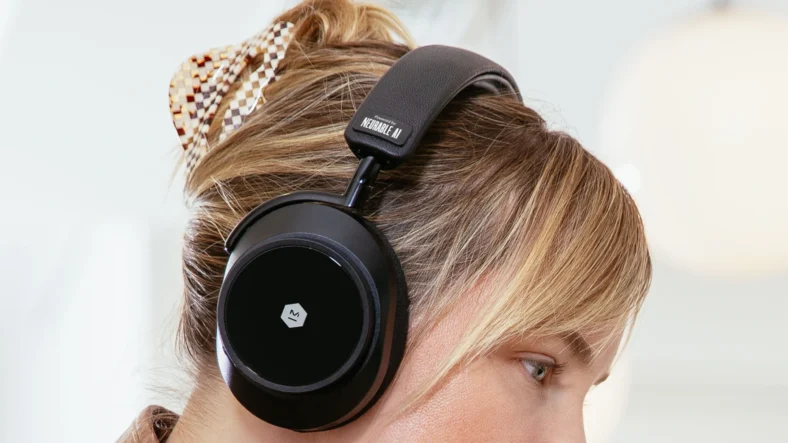
Neurable, a Boston-based neurotech company, closed a $35 million Series A last December to bring its brain-computer interface technology into everyday devices, starting with headphones. Its MW75 Neuro LT headphones use EEG sensors to provide real-time feedback on mental fatigue, focus and cognitive recovery, with ambitions to expand into gaming and e-sports.
The crossover into sleep health is particularly notable. Somnee, an AI-powered sleep headband that uses neurostimulation and EEG sensors to help users fall asleep faster, took top prize at the NFLPA’s annual Pitch Day last month, a competition whose alumni include Whoop. The Berkeley-based startup, co-founded by neuroscientist and Equinox Hotels’ sleep pro Dr. Matt Walker, raised $10 million last year and counts the NBA among its investors.
For some companies, the target is clinical, with implications that may go well beyond the traditional wellness market. Flow Neuroscience, whose tDCS headset received FDA clearance last December for at-home treatment of major depressive disorder, is already showing results in the field. An NHS trust in the U.K. expanded its pilot of the device after early data showed 71% of patients reported a reliable reduction in depressive symptoms within six weeks.
The company’s device is expected to be available for purchase in the summer, according to its website.
The momentum of brain health has also caught the attention of Jamie Weeks, the fitness entrepreneur behind Orangetheory’s largest franchise group and cold plunge concept SweatHouz. Weeks, who now heads Founders Row, the founder-first investment firm he launched last year, is bullish on the space.
“For 45 years, we focused on the body,” Weeks told Athletech News in a recent interview. “Brain health is the future, and I’m running to that space as fast as I can.”