In high-performing facilities, music isn’t background. It’s engineered. Operators who structure sound intentionally are turning playlists into a measurable driver of experience, performance and retention
For decades, fitness operators have prioritized programming, coaching and equipment. Music, meanwhile, is often treated as a finishing touch, a vibe enhancer rather than a performance driver.
The most sophisticated brands know better. They understand that sound is a critical part of the brand’s identity. And when it’s off, members feel it immediately.
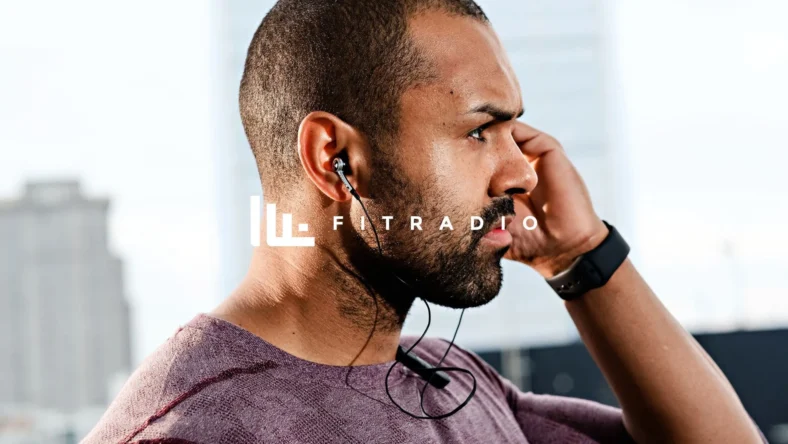
Russell Greene, founder and CEO of FITRADIO, has spent nearly 15 years studying that exact dynamic. His company — launched in 2011 after years in nightlife and music curation — has found success with partners with top names in the industry like OrangeTheory, Burn Boot Camp, F45, Strong Pilates, BFT, Crunch and LA Fitness on the principle that workout music is a foundational training variable, engineered to influence performance, pacing and experience.
“We’re building intentional mixes designed to drive momentum for specific training environments,” he says.
That distinction is what separates music as entertainment from music as infrastructure.
In many facilities, playlists are still assembled casually, pulled from streaming platforms, built quickly between classes or reused longer than intended. Greene says this approach overlooks how deeply sound influences performance.
In a survey of more than 7,000 members across 17 gyms, 95% reported that music is just as important as instruction during a workout. That statistic reflects something smart operators intuitively sense: the right track at the right moment can elevate output, sharpen focus and strengthen the brand.
“Most people need that extra push,” Greene says. “Music is proven to be a motivator. If you’re spending 20 hours a week designing programming, you should be dedicating similar intentionality to what members hear while they’re doing it.”
Sound as Brand Identity
Algorithmic playlists have improved in recent years. They’re faster, smarter and increasingly personalized. But Greene argues they still lack something essential for training environments: intentional sequencing built around physical output.
“Tempo alignment, energy progression and transitions between songs influence pacing, recovery windows and perceived effort,” he says. “When those elements are engineered rather than improvised, sessions tend to feel more charged for athletes and coaches alike.”
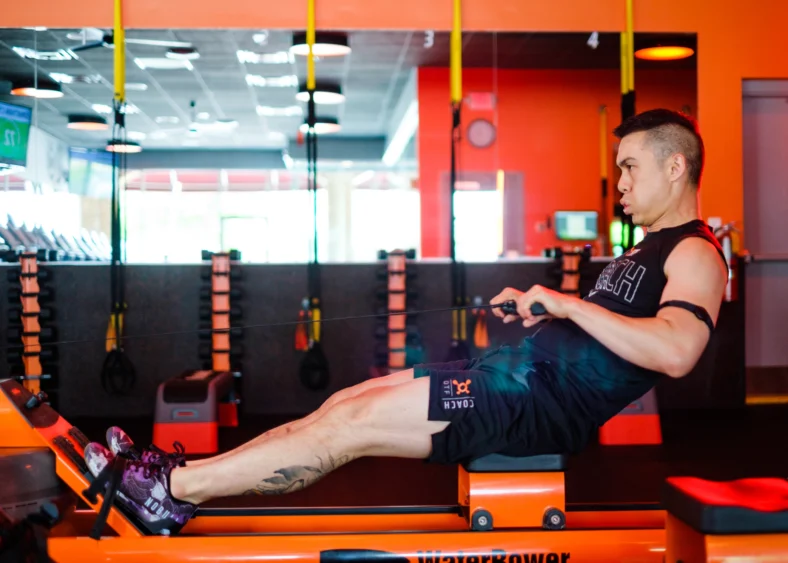
To Greene, music is an art form that demands thoughtful human design. “Human-mixed sessions allow for subtle adjustments that match the rhythm of a workout,” he explains. “Gradual BPM increases, carefully timed drops, transitions that coincide with interval changes — those details can be nearly invisible to participants, yet highly influential on how a session feels.”
As brands grow, consistency becomes harder to maintain, and that includes sound. For operators expanding from a single location to dozens, music must become part of the system.
Greene says one of the first conversations FITRADIO has with partners is about what he calls sonic identity.
“Many times, brands are missing this, so we go to work to help them build it,” he says.
FITRADIO looks at demographics, age ranges, regional preferences, training style, class format — all of it. “What works in the Pacific Northwest won’t necessarily work in Miami,” he explains. “A Pilates class with a wide age span needs a different sound environment than a high-intensity athletic facility. That level of detail matters if you want the experience to feel intentional.”
That kind of analysis is precisely where many operators hit a wall. Most don’t have the time, data or internal resources to evaluate music strategy at that depth even though it directly affects energy, brand perception and retention.
According to Greene, the brands that get it right are the ones willing to treat music the same way they treat programming or facility design: as infrastructure.
“It requires leadership to make that decision,” he says. “Sometimes there’s pushback because people are used to doing things a certain way. But the smartest operators start with their members. They research what their community actually responds to, then they build systems that deliver that experience consistently. You have to be willing to put that structure in place.”
Importantly, he notes, that process isn’t about restricting instructors. It’s about supporting them. When music is structured intentionally, coaches spend less time worrying about playlists and more time delivering great sessions. The result is a more cohesive brand experience for members and a more confident environment for staff.
Sonic Identity Drives Results
According to Greene, operators often see the impact of intentionally-designed music reflected in satisfaction surveys, attendance consistency and overall brand sentiment. When sound aligns with training design, participants report higher engagement and are more likely to return.

That connection makes sense from a behavioral standpoint. Habit formation relies heavily on sensory cues, and music is one of the most powerful environmental signals available. When it’s consistent and intentional, it reinforces routine.
“Music becomes inherent to the programming and your brand,” Greene says.
As fitness continues evolving toward more experience-driven models, operators are increasingly evaluating every element of the environment through a performance lens: lighting, layout, coaching cues, digital interfaces — and sound.
“Music that’s curated for your brand is just smart business,” he says.
That insight carries a clear implication. Programming and coaching may bring members in the door, but the full sensory experience determines whether they stay.