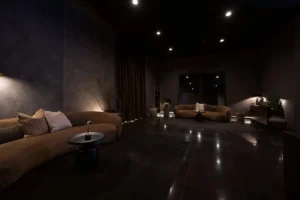
Breathwork is emerging as a simple yet powerful practice to reduce stress and support longevity, with psychologist Dr. Miranda Boe explaining its impact
For years, meditation has been recommended as a path to mental wellness, but many people find it difficult to sustain. Breathwork, says Dr. Miranda Boe, founder of The Breathing Room in Los Angeles, may be a more approachable and equally powerful alternative.
“Our breath is at the core of the nervous system,” she explained to Athletech News. “It’s one of the only automatic functions we can also control and that makes it incredibly powerful. When you change your breath, you change the signals you’re sending to your brain and body.”
That simple mechanism carries implications for longevity. Chronic stress has been linked to inflammation, heart disease and accelerated aging, while nervous system regulation is increasingly understood as a key factor in healthy aging.
“When you use breathwork to calm your nervous system, you’re not just reducing stress in the moment—you’re also protecting your long-term health,” Boe said. “It helps create the conditions for your body to repair itself instead of staying locked in fight-or-flight.”
Even short, consistent practices can be transformative.
“You don’t need an hour,” she noted. “Two to five minutes of intentional breathing in the morning or before bed can begin to reset the nervous system. Over time, those small rituals accumulate to contribute to emotional stability, improved sleep and increased resilience. That’s what longevity really looks like—not just living longer, but living better.”
Some scientific research also backs up Boe’s observations. Slow, deliberate breathing activates the parasympathetic nervous system, which in turn lowers cortisol levels, reduces heart rate and improves oxygen flow.
“If you’re anxious before a meeting, or you can’t sleep at night, focusing on your breath is like flipping a switch,” Boe explained. “It tells your body it’s safe and that single moment of calm has ripple effects for your health.”
She also sees breathwork as a gateway to deeper practices. “Meditation becomes much more approachable once you’ve learned how to regulate your breath,” she noted. “Instead of feeling like you’re battling your own thoughts, you’ve already created a foundation of calm.”
For Boe, longevity is not only about adding years to life but improving the quality of those years. “When people practice breathwork consistently, they often notice sharper focus, stronger immunity and more balanced emotions,” she said. “Those are the building blocks of a healthier, longer life.”
At its heart, Boe frames breathwork as a practice of self-connection. “The most transformative relationship you can cultivate is the one with yourself,” she reflected. “Breathwork gives people a simple, immediate way to nurture that relationship—every single day.”
As breathwork continues to gain recognition, Boe believes it may become as routine as exercise. “We’ve built gyms on every corner to support physical health,” she concluded. “I’d like to see the same for breathwork and mental fitness. Because when we normalize caring for the nervous system, we’re not just improving well-being today—we’re extending the quality of life for years to come.”