In some cases, less is more. That’s true of consistent micro-recovery sessions that are easy, approachable and effective
Everyone wants to feel and live better, but not everyone wants to spend an hour a day in a sauna or driving across town for a red light therapy session. For some, their schedule won’t allow it. For others, the restorative juice isn’t worth the squeeze.
For Bon Charge, it’s the brand’s reason to invest in micro-recovery, which applies wellness in shorter, yet effective sessions that weave easily into users’ lives rather than upending them.
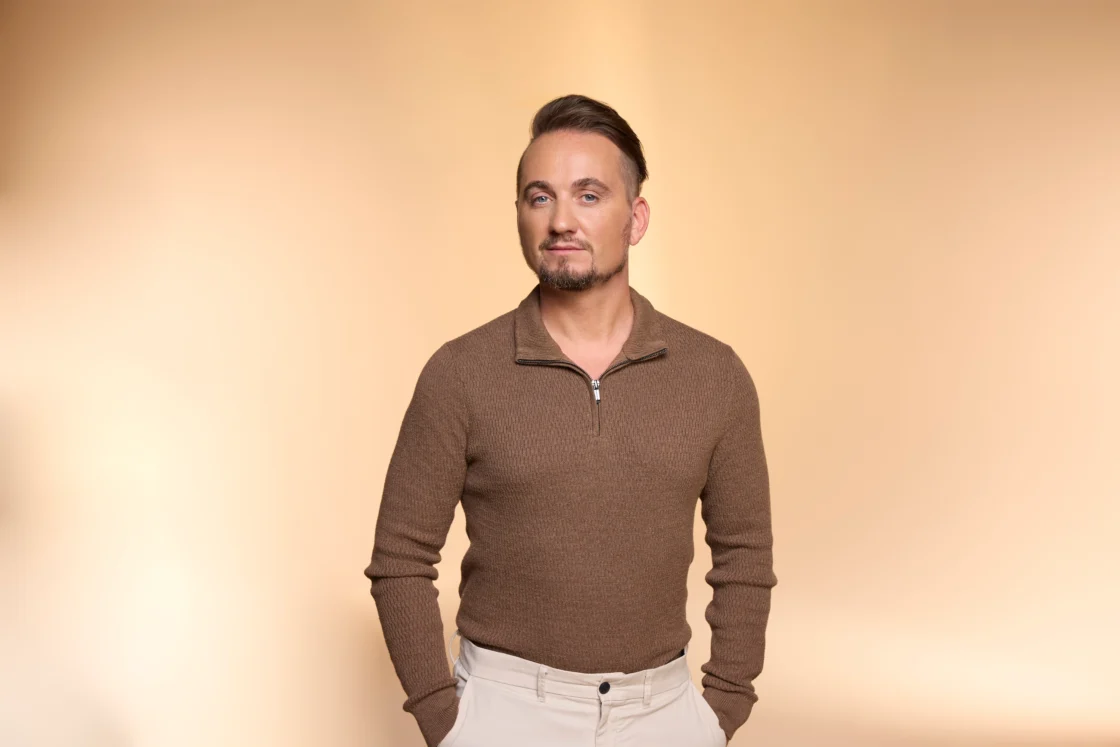
“We’re seeing a meaningful shift away from recovery as an occasional, time-intensive luxury and toward recovery as a daily habit,” explained Andy Mant, CEO of Bon Charge. “The data, customer behavior and broader wellness conversation all point in the same direction: people want recovery that fits into real life.”
This demand stems from a variety of areas, such as shifting societal norms, improved tech and a more informed approach to wellness.
“What’s driving this is a mix of time scarcity, better education and better tools,” Mant added. “Consumers now understand that biology responds more to consistency than to sporadic extremes. At the same time, modern recovery technology has become more accessible, safer and easier to use at home or on the go. You no longer need a two-hour spa visit to meaningfully support circulation, cellular energy or nervous system regulation.”
Consistency Beats Intensity
Mant also argues that those multi-hour spa visits also aren’t as beneficial as they are time intensive.
“Recovery follows the same rule set as training,” said Mant. “A short, repeatable stimulus delivered consistently is more powerful than a rare, intense intervention.”
Bon Charge reports that from a physiological standpoint, processes like mitochondrial signaling, blood flow, lymphatic movement and nervous system down-regulation all respond well to frequent, low-friction recovery applications.
“Ten to 20 minutes of red or near-infrared light, gentle PEMF, or parasympathetic activation, done daily compounds over time,” Mant said. “We see improved sleep quality, more stable energy levels, better stress tolerance and faster bounce-back from both training and cognitive load. You’re supporting the nervous system and cellular environment continuously, rather than trying to undo damage after it’s accumulated.”
Bon Charge’s belief that bigger, longer recovery sessions aren’t always better has merit mentally as well as physically. By lowering the barrier to consistency, micro-recovery helps users quickly engage and remain in that state.
“Behaviourally, short sessions remove the biggest barrier to recovery, which is getting started,” Mant said. “When recovery feels achievable, people do it. That’s where the real gains happen, and when it becomes habitual, you stop oscillating between stress and repair and instead create a steady baseline of resilience.”
From there, habits develop into reflexes that bring in health-related benefits with zero friction.
“Recovery stops being framed as indulgence and starts being framed as maintenance, much like brushing your teeth or eating well,” Mant said. “That mindset shift is critical. It’s when recovery moves from luxury to non-negotiable.”
Where Bon Charge Helps
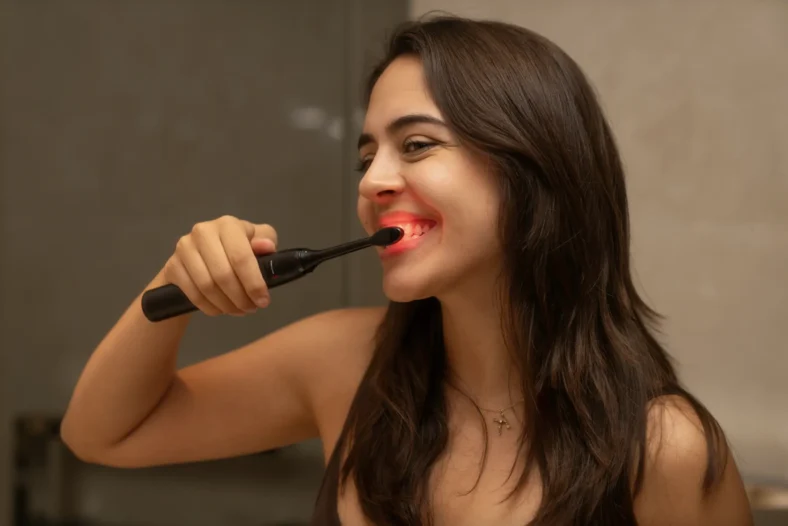
Bon Charge’s lineup of schedule-friendly, habit-forming recovery products includes red light toothbrushes, blue light blocking glasses, bulbs, PEMF wraps and mats, red light caps, ice rollers and more.
“We design products to integrate seamlessly into existing habits like watching TV, winding down before bed, traveling or working at a desk,” Mant said. “When recovery fits around life instead of competing with it, it becomes sustainable.”

These products don’t just integrate with those living busy lives, but also with each other. Users can quickly pivot from devices or even leverage them to complement each other. For instance, anyone looking for an at-home contrast therapy experience could use the ice roller before wrapping up in a PEMF wrap.
“Stackability matters because recovery is multi-system,” Mant said. “Light, heat, vibration, breath and nervous system cues work synergistically, and people want the freedom to combine tools without complexity.”
Micro-Recovery Evolution
Bon Charge views micro-recovery as a budding fitness sector rather than a fad, moving in the same direction as nutrition and training, personalization and modularity.
“Over the next few years, recovery will become less about fixed routines and more about adaptive rituals based on sleep, stress, travel, training load and even circadian timing,” Mant said. “At-home tools will play a central role because they allow people to respond to their biology in real time.”
As the years pass, Bon Charge believes the space where technology, convenience and recovery meet will only widen, drawing more brands toward it for its proven potential.
“Brands like Bon Charge will sit at the intersection of science, design and daily life, enabling recovery that’s personalized, portable and habitual,” Mant said. “The future of recovery isn’t longer sessions. It’s smarter, shorter, and more consistent ones.”