How recovery hardware is redefining member engagement, retention and long-term value inside modern fitness facilities.
In today’s crowded fitness market, experience has become the most important deliverable. Members aren’t just choosing facilities based on equipment or class schedules, they’re choosing how a space makes them feel.
That shift has pushed recovery out of the sidelines and into the center of the member journey. What was once an optional add-on has become a defining part of how facilities drive engagement, retention and long-term value.
Human Touch has been in the business of experience for more than four decades. Known for blending wellness, design and intuitive technology, the company has watched recovery evolve from foam rollers and stretching corners into fully programmed, purpose-built spaces that now sit alongside strength, cardio and group training on the floor.
Human Touch® has been designing meaningful wellness experiences for more than four decades. Known for blending wellness, design and intuitive massage technology, the company has watched recovery move from the sidelines to the center of the member journey. Today, these purpose-built recovery spaces sit confidently alongside strength, cardio and group training as essential components of the fitness floor.

“Recovery has officially moved from optional amenity to core expectation,” says Jacqui Gonzales, the company’s director of commercial key accounts. “What started as stretch mats has evolved into intentionally designed recovery zones, integrating advanced massage solutions that bring precision, personalization and measurable impact to long-term health.”
Reframing Recovery
Modern facilities increasingly view recovery as preventative care, performance optimization and stress relief rolled into one. And it’s no longer reserved for elite athletes.
“Wellness is no longer a luxury,” Gonzales explains. “Recovery is for everyday members managing busy lives, chronic stress and longevity, not just those training at a high level.”
This reframing has real business implications. Recovery hardware directly supports the metrics operators care about most: dwell time, visit frequency and retention. When members know they can recover efficiently and comfortably, they stay longer, return more often and associate the facility with feeling better, not just working harder.
That emotional association is significant. Facilities that integrate recovery into the flow of the visit create habits, not just sessions. Warm up, train, recover, repeat. Recovery becomes the bridge between effort and longevity.
“The most successful facilities don’t treat recovery as an afterthought,” Gonzales notes. “They integrate it into the experience so it becomes habitual.”
As staffing challenges persist across the industry, operators are also looking for solutions that reduce operational complexity. Touchless, self-guided recovery hardware has become increasingly attractive because it delivers consistent experiences without additional labor, scheduling constraints or staff training demands. Massage chairs offer an efficient recovery solution that removes effort from the equation. They deliver structured, full-body recovery through intuitive, self-guided programs. Members simply sit down and allow the chair to do the work, supporting muscle relaxation and circulation while helping ensure recovery actually happens.
“Touchless recovery solutions like Human Touch chairs deliver predictable, repeatable experiences,” Gonzales says. “That consistency improves ROI while allowing operators to monetize recovery through premium access, upgrades or bundled wellness memberships.”
In other words, recovery hardware doesn’t just fill space — it solves problems. It removes friction for staff and members alike while creating new revenue opportunities that don’t rely on adding resources.
Another reason recovery hardware has gained traction so quickly is its versatility.
A single chair can support athletic recovery, stress relief for busy professionals, relaxation in spa and hospitality lounges or wellness programming in corporate and campus environments. That flexibility allows operators to maximize square footage while introducing recovery to members who may not engage with traditional gym offerings.
“Experience is the new service,” Gonzales says. “Recovery hardware is one of the most effective ways operators can deliver meaningful, memorable experiences that keep members coming back.”
Recovery as a Built-In Marketing Asset
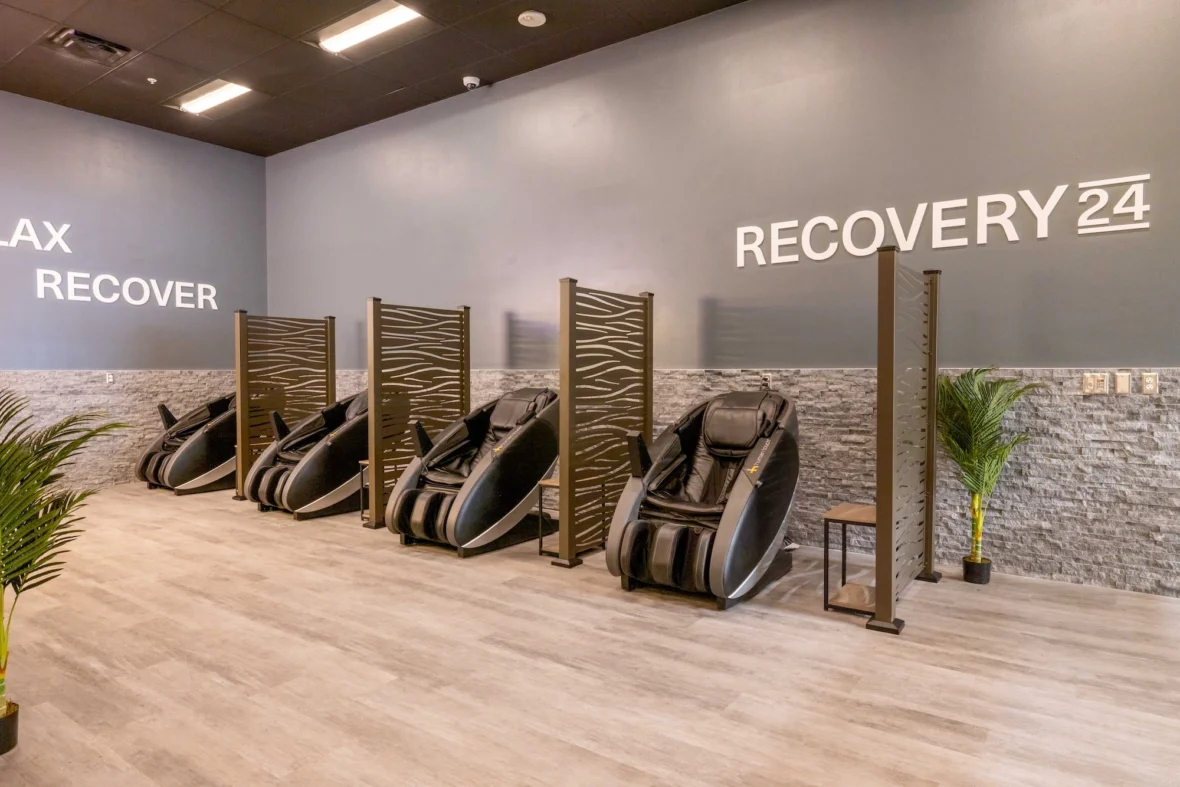
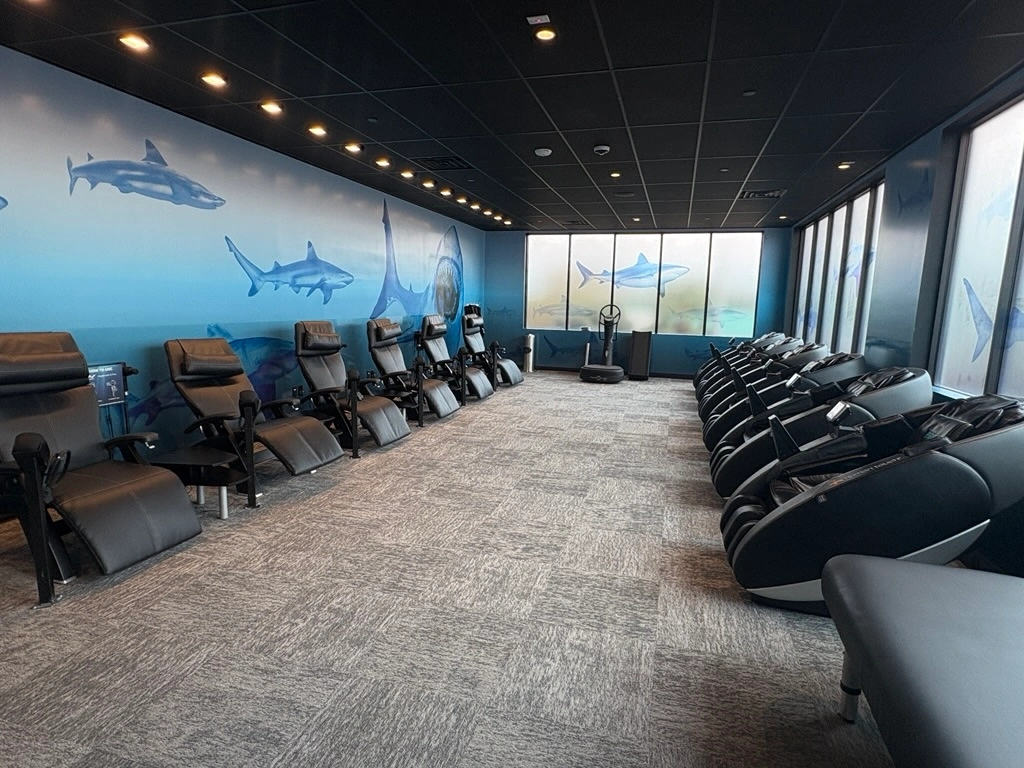
In crowded markets, how a space looks and feels matters just as much as what it offers. Thoughtfully designed recovery zones elevate brand perception and create moments members want to share.
“Zero-gravity positioning, sleek silhouettes, ambient lighting and calm environments naturally translate into social content that feels aspirational rather than promotional,” Gonzales explains.
When recovery spaces photograph well and feel intentional, they become organic marketing assets, reinforcing a facility’s commitment to premium experiences and holistic wellness without additional ad spend.
And perhaps one of the most compelling roles recovery hardware plays is in making wellness more accessible.
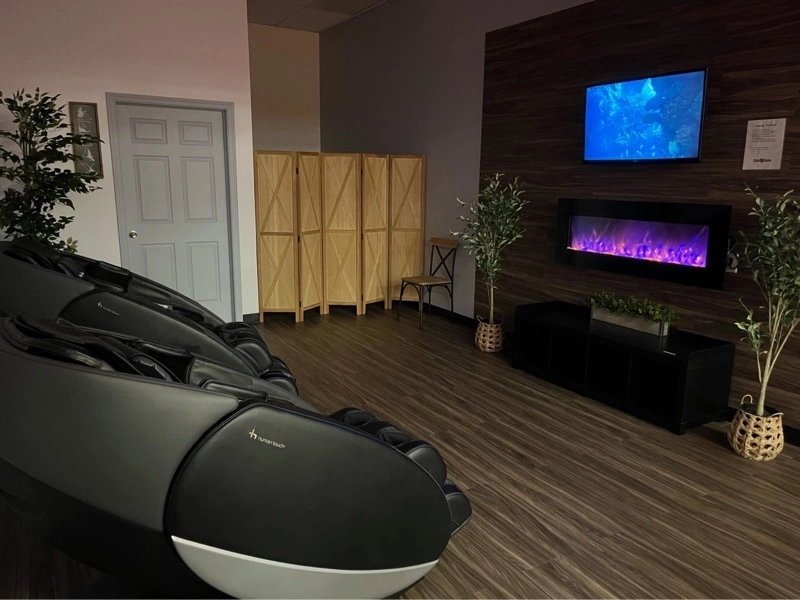
For active agers, beginners, or members who feel intimidated by traditional gym environments, recovery spaces offer a low-barrier entry point. Human Touch chairs provide supportive, customizable experiences with multiple intensity levels and programs that meet people where they are.
“Recovery becomes a welcoming gateway into movement, rather than a reward reserved for advanced users,” Gonzales says.
That’s important because these populations are often the most likely to churn. By building confidence and comfort, recovery hardware becomes not just a wellness tool, but a powerful retention tool.
What Operators Should Be Asking
As we embark on trade show season, operators should be intentional about how they evaluate their recovery hardware.
Gonzales encourages facilities to ask:
- How does this product perform in high-traffic environments?
- Does it combine multiple modalities such as massage, stretch, compression, heat, sound?
- Is the experience intuitive for first-time users?
- What are the maintenance, sanitation and staffing implications?
- How easily can it be monetized or integrated into existing membership models?
“The best recovery hardware doesn’t just occupy space,” she says. “It enhances the member experience while supporting operational efficiency.”
There’s no doubt that recovery hardware will continue to evolve toward smarter, more integrated and more experiential solutions. As member expectations rise, operators should prioritize investments that are scalable, touchless and adaptable.
“Equipment, digital tools and demand will continue to change,” Gonzales notes. “What matters is whether recovery solutions deliver measurable value today while staying relevant tomorrow.”
As competition intensifies, the differentiator isn’t always what members do inside a facility, it’s the experience they associate with it. Recovery has become one of the clearest ways operators can shape that experience in a meaningful, repeatable way.
“When members connect your facility with feeling better, that’s when loyalty really starts to build,” Gonzales says.